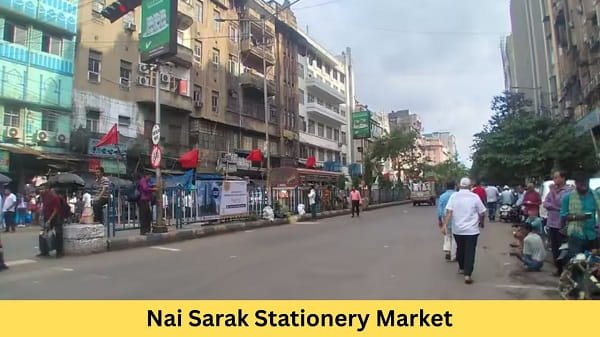
Dunlop Street is one of the recognized roads and localities connected with the historic Dunlop region in Kolkata. The area became famous because of its association with Dunlop India, one of the most important tyre manufacturing companies in India during the 20th century.
Located near Baranagar, BT Road, and Dakshineswar, the locality gradually developed into an important industrial and residential zone connected with Kolkata’s northern suburban expansion. Over the decades, Dunlop became known for factory culture, industrial employment, transport connectivity, and busy urban crossings.
Today, the Dunlop locality remains one of the major transport and residential hubs in North Kolkata.
| Feature | Details |
| Location | Baranagar, Kolkata, West Bengal |
| Famous For | Dunlop factory history and transport connectivity |
| Main Identity | Industrial and residential locality |
| Nearby Areas | Dakshineswar, Belgharia, Baranagar |
| Popular Among | Commuters, residents, traders |
| Best Time to Visit | Morning and evening hours |
| Nearby Metro Station | Baranagar Metro Station |
| Known For | Dunlop Crossing and industrial heritage |
| Street Type | Urban commercial and residential road |
| Historical Importance | Connected with Dunlop India industrial history |
History of Dunlop Street
The history of Dunlop Street is closely connected with the rise of Dunlop India and Kolkata’s industrial development during the British period.
Dunlop entered India in the early 20th century and later established one of Asia’s earliest tyre manufacturing plants at Sahaganj near Kolkata in 1936.
Over time, the Dunlop name became strongly associated with Kolkata and nearby industrial regions. The locality around Dunlop Crossing gradually expanded because of:
- Factory employment
- Worker settlements
- Transport movement
- Commercial activity
- Residential growth
The surrounding area later developed into a dense urban neighborhood connected with Baranagar Municipality and Kolkata Metropolitan expansion.
During the mid and late 20th century, Dunlop became famous for:
- Industrial culture
- Factory town atmosphere
- Worker colonies
- Commercial markets
- Transport junctions
Even after the decline of Dunlop’s industrial operations, the locality continued remaining an important urban center in North Kolkata.
Location and Connectivity
Dunlop Street and the surrounding Dunlop locality are located in Baranagar near northern Kolkata.
The area remains highly accessible because of strong transport infrastructure.
By Metro
Nearby metro stations include:
- Baranagar Metro Station
- Dakshineswar Metro Station
- Noapara Metro Station
By Railway Station
Nearby railway connectivity includes:
- Baranagar Road Railway Station
- Dakshineswar Railway Station
- Belgharia Railway Station
By Road
The locality is connected through:
- BT Road
- Belgharia Expressway
- Gopal Lal Tagore Road
- PWD Road
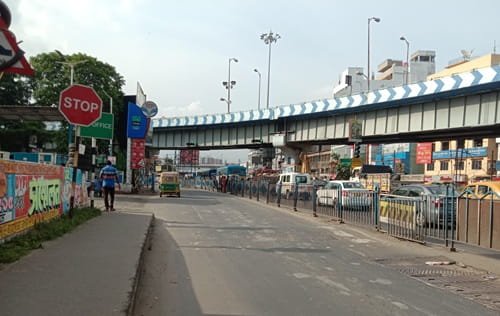
Dunlop Crossing remains one of the busiest transport junctions near Kolkata.
Autos, buses, taxis, and app-based cab services regularly operate around the area.
Nearby Landmarks
Important nearby places include:
- Dakshineswar Kali Temple
- Baranagar
- Belgharia Expressway
- Dunlop Crossing
- BT Road commercial areas
What Is Dunlop Street Famous For?
1. Dunlop Industrial Heritage
The biggest reason behind the importance of the locality is its connection with Dunlop India and tyre manufacturing history.
Dunlop became one of India’s most recognized tyre brands during the 20th century.
2. Dunlop Crossing
Dunlop Crossing is one of the most important road junctions in North Kolkata.
The crossing connects:
- Kolkata city
- Dakshineswar
- Belgharia
- Howrah routes
- Northern suburban regions
The area remains crowded throughout the day because of transport movement.
3. Residential and Commercial Growth
Over the years, the locality developed into a mixed residential and commercial zone containing:
- Apartment buildings
- Local markets
- Small businesses
- Restaurants
- Educational institutions
4. Metro and Expressway Connectivity
The arrival of metro expansion and the Belgharia Expressway significantly improved connectivity in the area.
5. North Kolkata Urban Culture
The locality reflects the busy atmosphere of North Kolkata suburban life with crowded markets, transport hubs, and old residential settlements.
Why Dunlop Street Became Important
Several reasons helped Dunlop Street and the surrounding locality become important.
First, Dunlop India created major industrial and employment opportunities near Kolkata.
Second, the locality developed around a major transport junction connecting northern suburbs.
Third, urban expansion gradually transformed the area into a major residential and commercial center.
Today, the locality remains one of the busiest urban zones in North Kolkata.
Interesting Facts About Dunlop Street
- Dunlop India established one of Asia’s earliest tyre plants near Kolkata in 1936.
- Dunlop Crossing is one of North Kolkata’s busiest traffic junctions.
- The locality grew rapidly because of industrial employment and transport connectivity.
- Baranagar Metro Station improved access to the area in recent years.
- The Dunlop name remains strongly connected with Kolkata’s industrial history.
Challenges Faced by the Area
Like many busy urban localities, Dunlop Street faces several challenges.
These include:
- Traffic congestion
- Parking shortages
- Overcrowding
- Infrastructure pressure
- Heavy commuter movement
Rapid urbanization and increasing transport activity have added pressure on roads and public infrastructure in the locality.
Despite these challenges, the area continues remaining an important transport and residential hub in Kolkata.
FAQs About Dunlop Street, Kolkata
Q1. Why is Dunlop Street famous?
A: Dunlop Street is famous for its connection with Dunlop India, industrial heritage, and major transport connectivity.
Q2. Where is Dunlop Street located?
A: The locality is located near Baranagar in North Kolkata, West Bengal.
Q3. What is Dunlop Crossing famous for?
A: Dunlop Crossing is famous as one of the busiest road junctions connecting Kolkata with northern suburbs and nearby districts.
Q4. What was Dunlop India known for?
A: Dunlop India was famous for tyre manufacturing and industrial production.
Q5. Which metro station is nearest to Dunlop?
A: Baranagar Metro Station is one of the nearest metro stations.
Q6. Why did the Dunlop locality grow rapidly?
A: Industrial activity, transport connectivity, and residential expansion helped the locality grow quickly.
Q7. What are the major problems faced by the area?
A: Traffic congestion, overcrowding, parking shortages, and infrastructure pressure are major challenges faced by the locality.