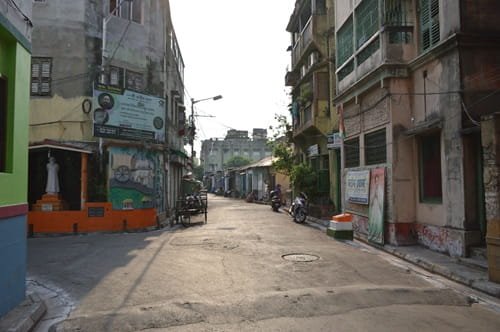
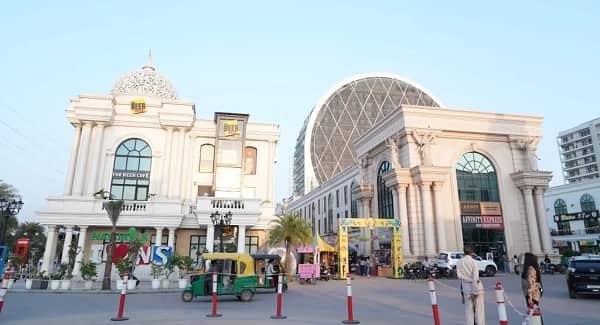
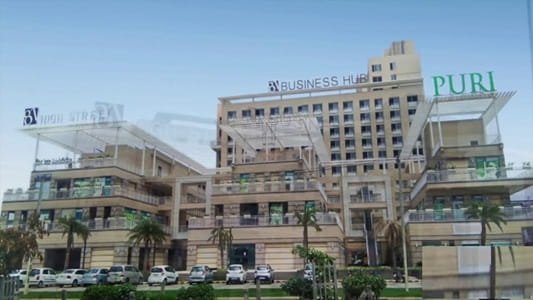
Puri High Street is a modern commercial and lifestyle area associated with the growing urban and tourism culture of Puri. The locality is connected with shopping activity, restaurants, local businesses, tourist movement, and the fast-changing urban atmosphere of the temple city.
Traditionally famous for the Jagannath Temple and sea beaches, Puri has gradually expanded beyond pilgrimage tourism into a broader commercial and lifestyle destination.
Today, areas referred to as “High Street” in Puri are generally associated with shopping zones, food outlets, hotels, tourist activity, and modern commercial development.
| Feature | Details |
| Location | Puri, Odisha |
| Famous For | Shopping, food, tourism activity |
| Main Identity | Commercial and lifestyle area |
| Nearby Areas | Sea Beach, Grand Road, Swargadwar |
| Popular Among | Tourists, local residents, shoppers |
| Best Time to Visit | Evening and tourist seasons |
| Nearby Railway Station | Puri Railway Station |
| Known For | Modern urban and tourist culture |
| Street Type | Commercial and mixed-use locality |
| Historical Importance | Part of Puri’s expanding tourism economy |
History of Puri High Street
The growth of Puri High Street is connected with the transformation of Puri from a traditional pilgrimage town into a broader tourism and commercial center.
For centuries, Puri remained one of India’s most important religious destinations because of Lord Jagannath and the annual Rath Yatra festival. Over time, hotels, markets, restaurants, and tourism-related businesses expanded rapidly around the city.
During recent decades, improved roads, railway connectivity, tourism investment, and urban development encouraged the growth of modern shopping and commercial zones in Puri.
Areas connected with “High Street” culture gradually became known for:
- Restaurants
- Cafes
- Tourist shopping
- Hotels and lodges
- Local handicraft stores
- Street food outlets
- Lifestyle businesses
Today, the locality reflects the blend of traditional pilgrimage culture and modern tourism-driven development.
Location and Connectivity
Puri High Street areas are located within the urban commercial zones of Puri.
The locality remains accessible through major roads and tourism routes.
By Railway Station
Nearby railway connectivity includes:
- Puri Railway Station
The station is one of Odisha’s busiest railway terminals.
By Road
The area is connected through:
- Grand Road (Bada Danda)
- Sea Beach Road
- Swargadwar Road
- Marine Drive routes
Buses, autos, taxis, and app-based cab services regularly operate around the locality.
Nearby Landmarks
Important nearby places include:
- Jagannath Temple
- Puri Beach
- Swargadwar
- Gundicha Temple
- Local shopping markets and hotels
What Is Puri High Street Famous For?
1. Tourist Shopping Activity
One of the biggest reasons behind the popularity of Puri High Street is its tourist market atmosphere.
Visitors regularly shop for:
- Handicrafts
- Shell products
- Pattachitra paintings
- Religious items
- Traditional Odia souvenirs
- Beach accessories
Puri remains famous for local arts and crafts.
2. Food and Restaurant Culture
The locality contains various food outlets offering:
- Odia cuisine
- Seafood dishes
- Street food
- Bengali meals
- Sweets and desserts
- Cafe-style dining
Traditional foods like chhena poda and temple-style meals remain highly popular in Puri.
3. Tourism and Beach Culture
Puri High Street areas remain highly active because of nearby tourist attractions and beach activity.
The locality attracts:
- Pilgrims
- Beach tourists
- Families
- Weekend travelers
- International visitors
4. Modern Urban Development
Recent infrastructure projects and tourism investments have transformed parts of Puri into modern lifestyle and hospitality zones.
5. Religious and Cultural Atmosphere
Despite modern growth, the area still remains deeply connected with Jagannath culture, temple traditions, and religious tourism.
Why Puri High Street Became Important
Several reasons helped Puri High Street gain importance.
First, Puri is one of India’s biggest pilgrimage destinations.
Second, tourism growth increased demand for shopping, hotels, and entertainment spaces.
Third, improved infrastructure and urban expansion encouraged commercial development across the city.
Today, the locality represents both traditional spiritual heritage and modern tourism culture.
Interesting Facts About Puri High Street
- Puri is one of the four sacred Char Dham pilgrimage sites in Hinduism.
- The Grand Road of Puri is famous for the Rath Yatra festival.
- Puri Beach attracts large tourist crowds throughout the year.
- Pattachitra art and appliqué work are popular local crafts.
- The city continues expanding as a major tourism and lifestyle destination.
Challenges Faced by the Area
Like many growing tourist cities, Puri High Street areas face several urban challenges.
These include:
- Traffic congestion
- Seasonal overcrowding
- Parking shortages
- Waste management pressure
- Infrastructure strain during festivals
Rapid tourism growth has increased pressure on roads and public facilities in the locality.
Despite these challenges, the area continues remaining one of Odisha’s most important tourism and commercial destinations.
FAQs About Puri High Street
Q1. Why is Puri High Street famous?
A: Puri High Street is famous for shopping, restaurants, tourism activity, and modern commercial culture.
Q2. Where is Puri High Street located?
A: The locality is situated within the commercial and tourist zones of Puri, Odisha.
Q3. What is Puri famous for?
A: Puri is famous for the Jagannath Temple, Rath Yatra, beaches, seafood, and religious tourism.
Q4. Which railway station is nearest to the area?
A: Puri Railway Station is the nearest major railway station.
Q5. What can tourists buy in Puri?
A: Tourists commonly buy handicrafts, shell items, Pattachitra paintings, religious souvenirs, and local sweets.
Q6. What food is popular in Puri?
A: Seafood, temple food, chhena poda, Odia meals, and street snacks are popular in Puri.
Q7. What are the major problems faced by the area?
A: Traffic congestion, overcrowding, parking shortages, and infrastructure pressure are major challenges faced by the locality.