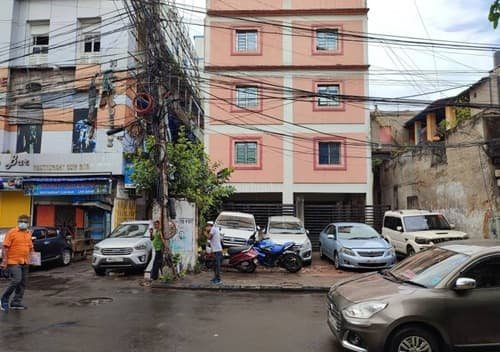
Sukea Street is one of the historic roads in North Kolkata closely connected with the city’s old residential culture, colonial-era growth, educational institutions, and Bengali heritage. Located near Hedua, Beadon Street, and Vivekananda Road, the street forms part of old Calcutta’s traditional urban landscape.
The locality is known for old houses, historic families, educational influence, cultural activity, and its connection with Kolkata’s early municipal history. Historical records also show that “Sukea Street” was once important enough to become the name of one of Kolkata’s early municipal wards during the 19th century.
Today, Sukea Street continues preserving elements of North Kolkata’s old-world atmosphere and heritage culture.
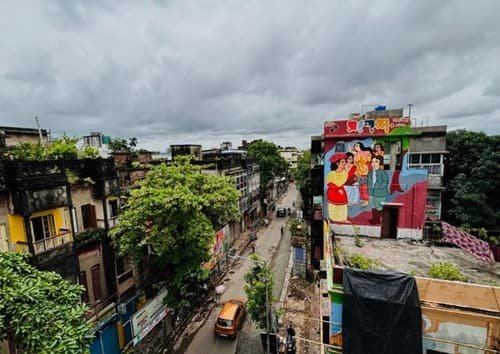
| Feature | Details |
| Location | North Kolkata, West Bengal |
| Famous For | Colonial heritage and Bengali culture |
| Main Identity | Historic residential street |
| Nearby Areas | Hedua, Beadon Street, Vivekananda Road |
| Popular Among | Residents, historians, students |
| Best Time to Visit | Morning and evening hours |
| Nearby Metro Station | Girish Park Metro Station |
| Known For | Old Kolkata neighborhood culture |
| Street Type | Residential and mixed-use road |
| Historical Importance | Part of colonial North Kolkata |
History of Sukea Street
The history of Sukea Street is deeply connected with the development of colonial Calcutta and North Kolkata’s residential expansion.
Historical references mention that the street was likely named after an Armenian woman named Sukhias Bibi, who became known for her generosity and local influence during earlier periods of Kolkata’s growth.
During the 18th and 19th centuries, North Kolkata evolved into one of the most important residential and cultural regions of Calcutta. Wealthy Bengali families, merchants, professionals, and intellectuals gradually established homes in the locality.
The area around Sukea Street became associated with:
- Traditional Bengali households
- Educational activity
- Cultural gatherings
- Religious festivals
- Local markets
- Colonial-era residences
Historical municipal records also show that “Sukea Street” existed as one of Kolkata’s official wards during the 19th century, reflecting the locality’s urban importance during colonial administration.
Over time, the street developed into a dense urban neighborhood containing:
- Old residential buildings
- Schools and institutions
- Local shops
- Traditional sweet stores
- Small businesses
- Cultural associations
Even today, Sukea Street preserves much of old North Kolkata’s historical character.
Location and Connectivity
Sukea Street is located in North Kolkata near Hedua and Beadon Street.
The locality remains highly accessible because of its central urban position.
By Metro
Nearby metro stations include:
- Girish Park Metro Station
- Shobhabazar Sutanuti Metro Station
- Mahatma Gandhi Road Metro Station
By Railway Station
Nearby railway connectivity includes:
- Sealdah Railway Station
- Howrah Railway Station
By Road
The street is connected through:
- Vivekananda Road
- Bidhan Sarani
- Beadon Street
- APC Road
Buses, taxis, autos, and app-based cab services regularly operate around the locality.
Nearby Landmarks
Important nearby places include:
- Hedua Park
- Scottish Church College area
- Beadon Street
- Vivekananda Road
- North Kolkata residential neighborhoods
What Is Sukea Street Famous For?
1. Old Kolkata Heritage
The biggest reason behind the importance of Sukea Street is its connection with North Kolkata’s heritage culture.
The locality is known for:
- Colonial-era houses
- Traditional Bengali neighborhoods
- Historic lanes
- Old temples
- Cultural atmosphere
This environment remains one of the defining characteristics of the street.
2. Educational and Cultural Influence
The surrounding area contains several old schools, colleges, and educational institutions that contributed greatly to Kolkata’s intellectual and cultural development.
North Kolkata historically played a major role during the Bengal Renaissance period.
3. Traditional Bengali Neighborhood Life
Sukea Street reflects the traditional atmosphere of old Kolkata with:
- Narrow streets
- Old balconies and courtyards
- Local sweet shops
- Community festivals
- Traditional family homes
4. Historical Municipal Importance
Historical municipal records from the 19th century mention Sukea Street as one of Kolkata’s important wards during early urban administration.
5. Religious and Festival Culture
Like many old North Kolkata localities, the area becomes active during:
- Durga Puja
- Kali Puja
- Saraswati Puja
- Local cultural festivals
Community celebrations remain important in the locality.
Why Sukea Street Became Important
Several reasons helped Sukea Street become historically important.
First, North Kolkata developed as one of colonial Calcutta’s major residential and cultural zones.
Second, wealthy Bengali families and intellectual communities settled in the area.
Third, Kolkata’s rapid urban growth during British rule transformed the locality into an important neighborhood.
Today, Sukea Street remains connected with Kolkata’s cultural and historical identity.
Interesting Facts About Sukea Street
- The street may have been named after Sukhias Bibi, an Armenian woman associated with old Kolkata history.
- Sukea Street appeared in Kolkata municipal ward records during the 19th century.
- North Kolkata is famous for colonial-era residential architecture.
- The locality reflects old Bengali cultural traditions.
- The surrounding area played an important role during the Bengal Renaissance.
Challenges Faced by the Area
Like many old Kolkata neighborhoods, Sukea Street faces several urban challenges.
These include:
- Traffic congestion
- Aging infrastructure
- Parking shortages
- Overcrowding
- Heritage building deterioration
Rapid urbanization and population growth have increased pressure on traditional residential areas over the years.
Despite these challenges, the street continues preserving an important part of Kolkata’s heritage culture.
FAQs About Sukea Street, Kolkata
Q1. Why is Sukea Street famous?
A: Sukea Street is famous for old Kolkata heritage, traditional Bengali neighborhood culture, and colonial-era history.
Q2. Where is Sukea Street located?
A: The street is located in North Kolkata near Hedua and Beadon Street.
Q3. How did Sukea Street get its name?
A: Historical references suggest the street was named after Sukhias Bibi, an Armenian woman associated with old Kolkata history.
Q4. What is North Kolkata famous for?
A: North Kolkata is famous for heritage houses, Bengali culture, festivals, educational institutions, and colonial history.
Q5. Which metro station is nearest to Sukea Street?
A: Girish Park Metro Station is one of the nearest metro stations.
Q6. Why is the area culturally important?
A: The locality is connected with Kolkata’s traditional Bengali culture and historical urban development.
Q7. What are the major problems faced by the area?
A: Traffic congestion, overcrowding, aging infrastructure, and heritage preservation issues are major challenges faced by the locality.