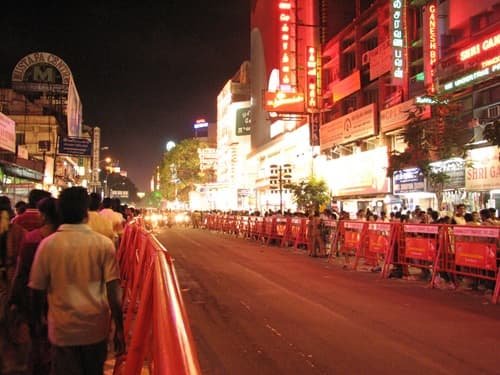
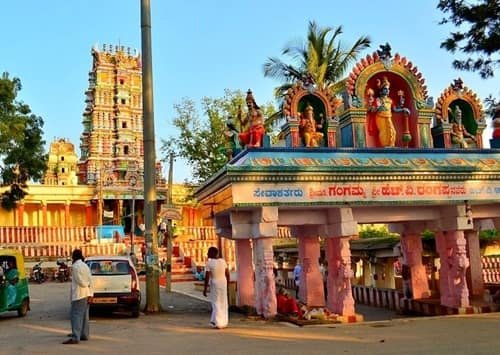
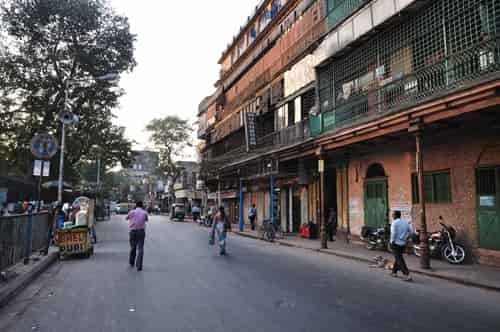
Beadon Street is one of the historic roads located in North Kolkata and is closely associated with colonial-era heritage, Bengali theatre culture, old residential settlements, and traditional urban life. Situated near Shobhabazar, Hatibagan, and Girish Park, the locality forms part of Kolkata’s historic northern cultural belt.
Over the decades, Beadon Street became famous for theatres, heritage buildings, political history, educational institutions, and old Kolkata market culture. Even today, the area preserves much of North Kolkata’s traditional atmosphere with narrow streets, heritage structures, and busy local commerce.
Today, Beadon Street remains one of Kolkata’s culturally significant historic roads.
| Feature | Details |
| Location | North Kolkata, West Bengal |
| Famous For | Theatre culture, colonial heritage, old Kolkata atmosphere |
| Main Identity | Historic cultural and residential road |
| Nearby Areas | Shobhabazar, Girish Park, Hatibagan |
| Popular Among | Residents, historians, theatre lovers |
| Best Time to Visit | Morning and evening hours |
| Nearby Metro Station | Girish Park Metro Station |
| Known For | Historic theatres and heritage buildings |
| Street Type | Residential and commercial urban road |
| Historical Importance | Connected with colonial Kolkata and Bengali theatre history |
History of Beadon Street
The history of Beadon Street is deeply connected with colonial Kolkata and North Kolkata’s cultural growth.
The street was named after Sir Cecil Beadon, who served as the Lieutenant Governor of Bengal during the 1860s. During his tenure, several important civic and urban developments took place in Calcutta.
Historically, Beadon Street developed as part of the expanding northern residential and cultural districts of colonial Calcutta. Wealthy Bengali families, merchants, theatre personalities, and intellectual communities gradually settled across the locality.
The road later became associated with:
- Bengali theatre culture
- Heritage mansions
- Public parks
- Educational institutions
- Residential settlements
- Traditional Kolkata commerce
Historical records mention that some of Kolkata’s most famous theatres once stood on Beadon Street, including the original Star Theatre and Bengal Theatre.
The locality played an important role in shaping Bengali stage culture during the late 19th and early 20th centuries.
Location and Connectivity
Beadon Street is located in North Kolkata near Girish Park and Shobhabazar.
The locality remains highly accessible because of strong metro and road connectivity.
By Metro
Nearby metro stations include:
- Girish Park Metro Station
- Shobhabazar Sutanuti Metro Station
- MG Road Metro connectivity routes
By Railway Station
Nearby railway connectivity includes:
- Sealdah Railway Station
- Kolkata Railway Station
- Sovabazar Ahiritola connectivity routes
By Road
The locality is connected through:
- Chittaranjan Avenue
- Bidhan Sarani
- Rabindra Sarani
- APC Road
Autos, buses, taxis, and app-based cab services regularly operate around the locality.
Nearby Landmarks
Important nearby places include:
- Beadon Square (Rabindra Kanan)
- Star Theatre
- Minerva Theatre
- Hatibagan Market
- Scottish Church College
What Is Beadon Street Famous For?
1. Bengali Theatre Heritage
The biggest reason behind the fame of Beadon Street is its connection with Bengali theatre history.
Historical accounts mention that famous institutions such as:
- Star Theatre
- Bengal Theatre
- Minerva Theatre
were closely connected with the locality.
Many legendary Bengali actors, playwrights, and theatre personalities performed in this region.
2. Colonial Kolkata Heritage
The locality reflects old Calcutta urban culture with:
- Heritage mansions
- Colonial architecture
- Historic parks
- Traditional street layouts
- Old residential neighborhoods
This atmosphere remains one of the defining characteristics of the area.
3. Beadon Square
Beadon Square, now officially known as Rabindra Kanan, became one of North Kolkata’s important public spaces during the colonial period.
The square historically served as a recreational and social gathering point for local residents.
4. North Kolkata Market Culture
The surrounding locality became famous for:
- Traditional Bengali markets
- Street food culture
- Local shopping activity
- Educational institutions
- Dense neighborhood commerce
5. Fanush Utsav Tradition
Beadon Street is also known for its traditional Fanush Utsav, a sky lantern festival that has reportedly continued for more than a century in the locality.
Why Beadon Street Became Important
Several reasons helped Beadon Street become historically important.
First, the locality developed during the colonial expansion of North Kolkata.
Second, Bengali theatre and cultural institutions strengthened the street’s identity.
Third, strong road connectivity and residential growth increased the locality’s urban importance.
Today, Beadon Street remains one of Kolkata’s culturally important heritage roads.
Interesting Facts About Beadon Street
- The street was named after Sir Cecil Beadon.
- The original Star Theatre once stood on Beadon Street.
- Beadon Street was later officially renamed into parts of Abhedananda Road and Dani Ghosh Sarani.
- Beadon Square is now called Rabindra Kanan.
- The locality remains closely associated with North Kolkata theatre culture.
Challenges Faced by the Area
Like many old Kolkata neighborhoods, Beadon Street faces several urban challenges.
These include:
- Traffic congestion
- Aging heritage structures
- Parking shortages
- Overcrowding
- Infrastructure pressure
Rapid urbanization and heavy daily movement continue affecting the locality.
Despite these challenges, Beadon Street continues preserving an important part of Kolkata’s cultural and theatrical history.
FAQs About Beadon Street, Kolkata
Q1. Why is Beadon Street famous?
A: Beadon Street is famous for Bengali theatre history, colonial heritage, and old Kolkata culture.
Q2. Where is Beadon Street located?
A: The street is located in North Kolkata near Girish Park and Shobhabazar.
Q3. Why is the street called Beadon Street?
A: The street was named after Sir Cecil Beadon, a former Lieutenant Governor of Bengal.
Q4. What is Beadon Square famous for?
A: Beadon Square, now called Rabindra Kanan, is famous for its colonial history and public park culture.
Q5. Which metro station is nearest to Beadon Street?
A: Girish Park Metro Station is one of the nearest metro stations.
Q6. What theatres were associated with Beadon Street?
A: Star Theatre, Bengal Theatre, and Minerva Theatre were historically associated with the locality.
Q7. What are the major problems faced by the area?
A: Traffic congestion, overcrowding, aging buildings, and infrastructure pressure are major challenges faced by the locality.