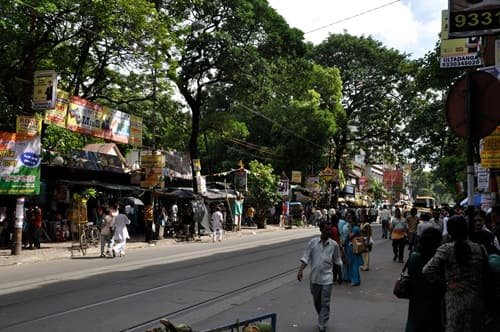
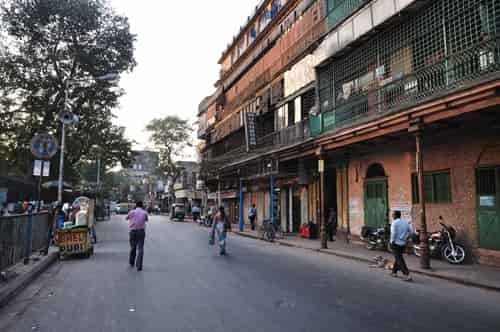
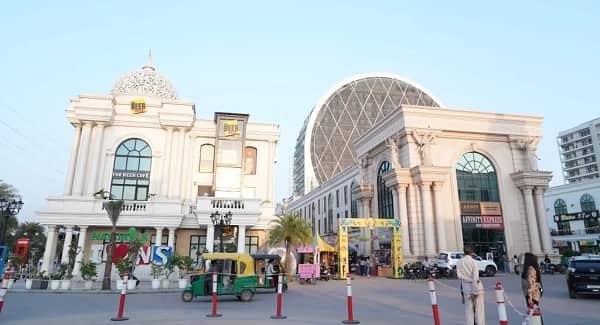
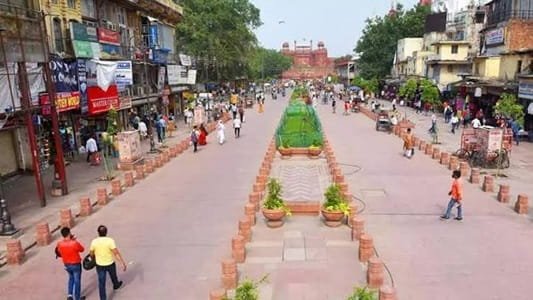
Chandni Chowk is one of the oldest and most famous market streets in India. Located in Old Delhi near the Red Fort, the locality is closely associated with Mughal history, wholesale markets, street food, traditional shopping culture, and dense urban activity. Built during the reign of Mughal emperor Shah Jahan in the 17th century, Chandni Chowk remains one of Delhi’s busiest commercial and cultural centers.
Over the centuries, the market became famous for jewellery, spices, fabrics, wedding shopping, books, electronics, and legendary food streets. Even today, Chandni Chowk preserves much of Old Delhi’s historic atmosphere with narrow lanes, heritage havelis, religious landmarks, and crowded bazaars.
| Feature | Details |
| Location | Old Delhi, Delhi, India |
| Famous For | Markets, street food, Mughal history |
| Main Identity | Historic commercial street |
| Nearby Areas | Red Fort, Jama Masjid, Fatehpuri |
| Popular Among | Shoppers, tourists, food lovers |
| Best Time to Visit | Morning and evening hours |
| Nearby Metro Station | Chandni Chowk Metro Station |
| Known For | Wholesale markets and heritage culture |
| Street Type | Historic bazaar road |
| Historical Importance | Built during Mughal rule |
History of Chandni Chowk
The history of Chandni Chowk dates back to the mid-17th century when Mughal emperor Shah Jahan established Shahjahanabad, the old walled city of Delhi. The market was reportedly designed by his daughter, Princess Jahanara Begum.
The name “Chandni Chowk” means “Moonlight Square.” Historical accounts mention that a water canal once ran through the middle of the market, and a central pool reflected moonlight during the night, giving the locality its famous name.
Originally, the market reportedly contained around 1,560 shops and was divided into specialized trading sections.
Over time, Chandni Chowk evolved into a major commercial center associated with:
- Silver merchants
- Spice traders
- Textile businesses
- Wedding shopping
- Street food culture
- Mughal ceremonial routes
The market also became historically important during British rule and India’s freedom movement.
Location and Connectivity
Chandni Chowk is located in Old Delhi opposite the Red Fort.
The locality remains highly accessible because of strong metro and railway connectivity.
By Metro
Nearby metro stations include:
- Chandni Chowk Metro Station
- Lal Qila Metro Station
- Chawri Bazar Metro Station
By Railway Station
Nearby railway connectivity includes:
- Old Delhi Railway Station
- New Delhi Railway Station connectivity routes
- Delhi Junction routes
By Road
The locality is connected through:
- Netaji Subhash Marg
- Jama Masjid Road
- Chawri Bazaar Road
- Fatehpuri routes
Cycle rickshaws, e-rickshaws, autos, and buses regularly operate across the locality.
Nearby Landmarks
Important nearby places include:
- Red Fort
- Jama Masjid
- Fatehpuri Masjid
- Khari Baoli
- Paranthe Wali Gali
What Is Chandni Chowk Famous For?
1. Historic Mughal Market
The biggest reason behind the fame of Chandni Chowk is its Mughal-era market history.
The locality remains one of India’s oldest continuously operating commercial streets.
2. Shopping Culture
Chandni Chowk is famous for specialized market lanes including:
- Dariba Kalan for silver jewellery
- Khari Baoli for spices
- Nai Sarak for books
- Kinari Bazaar for wedding items
- Katra Neel for fabrics
3. Street Food
The locality is one of Delhi’s biggest food destinations.
Popular foods include:
- Parathas
- Jalebis
- Chaat
- Kebabs
- Rabri
- Lassi
4. Heritage Atmosphere
The area reflects old Delhi culture with:
- Narrow lanes
- Heritage havelis
- Religious monuments
- Dense bazaars
- Traditional businesses
This atmosphere remains one of the defining characteristics of the locality.
5. Religious Diversity
The surrounding area contains important religious landmarks connected with Hindu, Muslim, Jain, Sikh, and Christian communities.
Why Chandni Chowk Became Important
Several reasons helped Chandni Chowk become historically important.
First, it developed as the main commercial road of Shahjahanabad during Mughal rule.
Second, merchant communities established specialized markets across different lanes.
Third, Delhi’s political and economic importance strengthened the locality’s role in trade and culture.
Today, Chandni Chowk remains one of India’s most iconic market districts.
Interesting Facts About Chandni Chowk
- Chandni Chowk was designed by Jahanara Begum.
- The market once had a moonlit reflecting pool.
- Khari Baoli is considered Asia’s largest spice market.
- The locality has existed for more than 350 years.
- Many famous food shops in the area are over 100 years old.
Challenges Faced by the Area
Like many historic urban markets, Chandni Chowk faces several challenges.
These include:
- Traffic congestion
- Overcrowding
- Parking shortages
- Infrastructure pressure
- Heritage preservation issues
Rapid urbanization and heavy tourist movement continue affecting the locality.
Despite these challenges, Chandni Chowk continues preserving an important part of Delhi’s cultural and commercial history.
FAQs About Chandni Chowk, Delhi
Q1. Why is Chandni Chowk famous?
A: Chandni Chowk is famous for Mughal history, shopping markets, street food, and Old Delhi culture.
Q2. Where is Chandni Chowk located?
A: Chandni Chowk is located in Old Delhi near the Red Fort.
Q3. Who built Chandni Chowk?
A: The market was established during Shah Jahan’s reign and designed by Princess Jahanara Begum.
Q4. Why is it called Chandni Chowk?
A: The name comes from a moonlit water pool that once reflected light in the center of the market.
Q5. What is Chandni Chowk famous for shopping?
A: The locality is famous for jewellery, fabrics, books, spices, wedding items, and electronics.
Q6. Which metro station is nearest to Chandni Chowk?
A: Chandni Chowk Metro Station is one of the nearest metro stations.
Q7. What are the major problems faced by the area?
A: Traffic congestion, overcrowding, infrastructure pressure, and heritage preservation challenges are major problems faced by the locality.