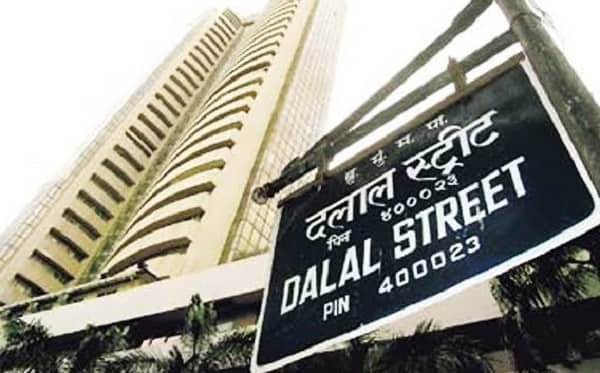
Few streets in India command the kind of power, prestige, and public fascination that Dalal Street does. Located in the Fort area of south Mumbai, this short but enormously significant road is home to the Bombay Stock Exchange, the oldest stock exchange in Asia. What happens on Dalal Street on any given trading day ripples across the Indian economy, affects millions of investors, and makes headlines in financial newspapers around the world. The street’s name has become so synonymous with Indian finance that saying Dalal Street is essentially saying the Indian stock market.
For investors, brokers, and financial professionals, it is the nerve centre of Indian capitalism. For the general public, it is a symbol of wealth, risk, ambition, and the daily drama of markets opening and closing.
Quick Overview of Dalal Street, Mumbai
| Feature | Details |
| Location | Fort, South Mumbai, Maharashtra |
| Nearby Area | Horniman Circle, Kala Ghoda, Churchgate |
| Length | Approximately 300 metres |
| Famous For | Bombay Stock Exchange, Indian financial markets, BSE Sensex |
| Historical Period | BSE established 1875, one of Asia’s oldest exchanges |
| Best Time to Visit | Weekday mornings during market hours |
| Nearest Station | Churchgate and CST Railway Stations |
| Popular Crowd | Brokers, investors, financial professionals, tourists |
| Main Attractions | BSE Building, heritage architecture, Horniman Circle |
| Street Type | Financial and commercial district corridor |
History of Dalal Street
The history of Dalal Street begins long before the street acquired its famous name. In the mid-nineteenth century, a group of stockbrokers in Bombay began gathering informally under a banyan tree near the Town Hall to trade shares. As the trading community grew, particularly during the American Civil War cotton boom of the 1860s when Bombay emerged as a major cotton trading hub, the need for a formal exchange became apparent.
In 1875, a group of brokers formally established the Native Share and Stock Brokers Association, which later became the Bombay Stock Exchange. The organisation eventually settled on the stretch of road in the Fort district that would come to be known as Dalal Street. The word dalal means broker in Hindi and Marathi, and the name was a natural reflection of the community that had made the street its professional home.
Through the colonial period, Dalal Street grew alongside the broader development of Indian industry and commerce. The cotton, textile, and jute industries of the late nineteenth century were followed by manufacturing, infrastructure, and eventually the full diversification of the Indian economy through the twentieth century. The BSE listed more and more companies, and Dalal Street became progressively more central to Indian economic life.
The liberalisation of the Indian economy in 1991 transformed Dalal Street dramatically. Foreign investment, new financial instruments, and a surge in retail investor participation through the 1990s and 2000s brought the street to national and global prominence in a way that had not existed before. The BSE Sensex, the benchmark index tracking the exchange’s top listed companies, became a daily reference point for Indians from all walks of life.
Today Dalal Street operates as one of the world’s major financial addresses, with the BSE consistently ranking among the top ten stock exchanges globally by market capitalisation.
Location and Connectivity
Dalal Street is located in the Fort neighbourhood of south Mumbai, one of the oldest and most historically significant parts of the city. It sits within a dense cluster of heritage buildings, banking institutions, and corporate offices that together form Mumbai’s traditional financial district.
By Rail
Churchgate Station on the Western Railway and Chhatrapati Shivaji Maharaj Terminus on the Central Railway are both within comfortable walking distance, making Dalal Street one of the most accessible financial districts in any major world city.
By Metro
The expanding Mumbai Metro network has improved connectivity to south Mumbai, with stations within reach of the Fort area reducing dependence on surface transport.
By Road
Taxis and auto-rickshaws are available throughout the day. However, south Mumbai traffic during peak hours can be heavy, and walking from nearby railway stations is often faster.
Nearby Landmarks
Some popular nearby places include:
- Bombay Stock Exchange Building
- Horniman Circle and Gardens
- Reserve Bank of India headquarters
- Kala Ghoda art district
- Chhatrapati Shivaji Maharaj Terminus
What Is Dalal Street Famous For?
1. Bombay Stock Exchange
The BSE is the undisputed centrepiece of Dalal Street. Established in 1875, it is the oldest stock exchange in Asia and one of the fastest exchanges in the world by transaction speed. The iconic BSE tower, a prominent high-rise in the Fort skyline, is the most photographed building on the street and a landmark of modern Mumbai.
2. The BSE Sensex
The Sensex, short for Sensitive Index, tracks the performance of the thirty largest and most actively traded companies listed on the BSE. It is the most widely followed indicator of Indian economic health and is quoted in financial news globally every trading day. When the Sensex rises or falls sharply, Dalal Street leads every national headline.
3. India’s Financial Heritage
Beyond the BSE, Dalal Street sits within a broader financial district that includes the Reserve Bank of India headquarters, numerous nationalised and private bank offices, insurance companies, and brokerage firms. The concentration of financial institutions in this compact area gives it a density of economic power that is unmatched anywhere else in India.
4. Colonial Architecture
The streets surrounding Dalal Street contain some of Mumbai’s finest surviving colonial-era architecture. The Horniman Circle Gardens, flanked by nineteenth-century neoclassical buildings, is just steps away and gives the financial district an elegance and historical depth that few business districts in the world can match.
Best Time to Visit Dalal Street
Weekday mornings between 9 AM and 12 PM are the best time to experience Dalal Street at its most active. Market hours run from 9:15 AM to 3:30 PM on trading days, and the energy around the BSE building is most palpable in the opening hours of the session.
Those visiting for heritage and architecture will find early mornings before the business crowds arrive particularly pleasant. The nearby Horniman Circle Gardens are at their most peaceful in the morning and offer a quiet contrast to the intensity of the financial district.
Interesting Facts About Dalal Street
- The Bombay Stock Exchange, founded in 1875, is the oldest stock exchange in Asia and among the oldest in the world.
- The BSE lists over five thousand companies, making it one of the largest exchanges in the world by number of listed entities.
- The street’s name comes from the word dalal meaning broker, a direct reflection of the community that built its identity over more than a century.
- During the 1992 securities scam associated with stockbroker Harshad Mehta, Dalal Street became the centre of one of India’s most dramatic financial frauds, exposing serious regulatory gaps that led to sweeping market reforms.
- The National Stock Exchange, established in 1992 as a modern electronic alternative to the BSE, is also located in Mumbai though not on Dalal Street itself.
Challenges Faced by the Area
Dalal Street and the broader Fort financial district face challenges common to historic urban business corridors. Traffic congestion in south Mumbai remains severe, and the aging infrastructure of the area requires ongoing investment to support modern financial operations.
Cybersecurity and digital resilience have become critical concerns as the exchange processes millions of transactions daily on systems that must remain secure against increasingly sophisticated threats. Regulatory complexity and the need to balance market access with investor protection continue to demand constant attention from both exchange management and government bodies.
FAQs About Dalal Street, Mumbai
Q: Why is Dalal Street famous?
A: Dalal Street is famous as the home of the Bombay Stock Exchange, the oldest stock exchange in Asia, and is synonymous with the Indian financial markets and the BSE Sensex.
Q: What does Dalal Street mean?
A: The word dalal means broker in Hindi and Marathi. The street was named after the broking community that established its professional home here in the nineteenth century.
Q: When was the Bombay Stock Exchange established?
A: The BSE was formally established in 1875, making it one of the oldest stock exchanges in the world.
Q: How do I reach Dalal Street?
A: Churchgate and Chhatrapati Shivaji Maharaj Terminus railway stations are both within walking distance, making Dalal Street easily accessible by suburban rail.
Q: Is Dalal Street open for public visits?
A: The street itself is fully accessible. The BSE building has a visitor facility, though access to the trading floor requires prior arrangement.
Q: What is the Sensex?
A: The Sensex is the benchmark index of the Bombay Stock Exchange, tracking the thirty largest listed companies and serving as the primary indicator of Indian stock market performance.