Yes, a recycled plastic manufacturing business is legal in India, provided it complies with the applicable environmental, pollution control, factory, waste management and business regulations. Since plastic recycling involves the collection, processing and manufacture of plastic waste into reusable products or raw materials, the business is subject to strict environmental oversight.
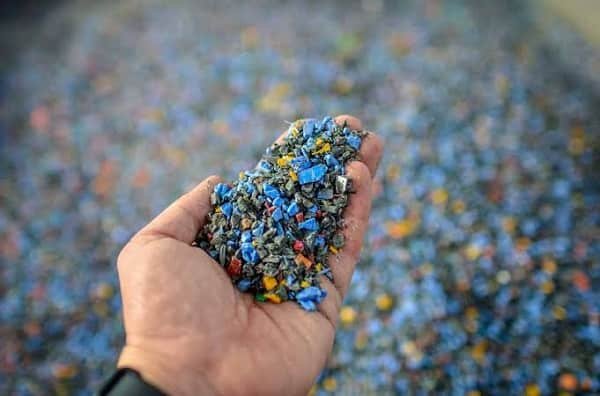
Recycled plastic manufacturers play an important role in reducing plastic pollution and promoting the circular economy. They collect plastic waste, process it into granules, flakes or finished products, and supply it to various industries. However, operating such a business requires more than ordinary business registration. Environmental approvals and pollution control compliance are often mandatory.
Legal Status of Recycled Plastic Manufacturing Businesses
Running a recycled plastic manufacturing business is legal in India. However, the business must comply with environmental laws and waste management regulations.
The business is primarily governed by the Environment (Protection) Act, 1986, the Plastic Waste Management Rules, 2016 (as amended), and other applicable environmental laws. Depending on the manufacturing process, the business may also need approvals from the State Pollution Control Board (SPCB) or Pollution Control Committee (PCC).
Manufacturers should ensure that recycled plastic is processed, stored and disposed of in accordance with applicable environmental standards.
Business Registration
A recycled plastic manufacturing business may operate as a sole proprietorship, partnership, LLP or private limited company.
Common registrations may include:
- PAN and a business bank account
- GST registration when applicable
- Udyam registration for eligible MSMEs
- Shops and Establishments registration where applicable
- Factory Licence, where required
- Professional tax registration in applicable states
Business registration does not replace the environmental approvals required for manufacturing activities.
Environmental Approvals and Pollution Control
Most recycled plastic manufacturing units require approvals from the State Pollution Control Board before commencing operations.
Depending on the scale and nature of the business, compliance may include:
- Consent to Establish (CTE)
- Consent to Operate (CTO)
- Authorisation under applicable waste management rules, where required
- Compliance with air and water pollution standards
- Proper disposal of manufacturing waste
- Installation of pollution control equipment where necessary
The exact approvals depend on the category of the industry and state-specific regulations.
Factory Safety and Waste Management
Manufacturing facilities should maintain safe working conditions and environmentally responsible operations.
Important compliance measures include:
- Proper ventilation
- Fire safety equipment
- Safe storage of raw materials
- Machinery safety measures
- Personal protective equipment (PPE) for workers
- Segregation of recyclable and non-recyclable waste
- Proper disposal of hazardous waste, where applicable
- Emergency response procedures
Businesses should regularly inspect equipment and maintain a clean manufacturing environment.
Product Quality and Labelling
Manufacturers should ensure that recycled plastic products meet applicable quality and safety standards.
Where applicable, products should accurately disclose:
- Type of recycled plastic
- Manufacturer details
- Batch identification
- Net quantity
- Recycling symbols or markings required by law
Businesses should avoid making false environmental claims such as “100% eco-friendly” or “completely biodegradable” unless they can substantiate those claims.
GST and Tax Compliance
Manufacturing businesses should comply with applicable GST and tax laws.
The business should:
- Obtain GST registration where required.
- Issue tax invoices.
- Maintain purchase and production records.
- File GST and income-tax returns.
- Maintain inventory and stock registers.
- Comply with applicable TDS provisions.
Proper accounting records also assist during regulatory inspections and audits.
When Can a Recycled Plastic Manufacturing Business Become Illegal?
A recycled plastic manufacturing business may face legal action when it:
- Operates without the required pollution control approvals.
- Manufactures products in violation of Plastic Waste Management Rules.
- Discharges pollutants beyond permissible limits.
- Improperly disposes of industrial waste.
- Operates a factory without mandatory licences where applicable.
- Makes false environmental or recycling claims.
- Fails to comply with worker safety requirements.
- Evades GST or income-tax obligations.
Authorities may suspend operations, revoke environmental approvals, impose penalties or initiate prosecution depending on the nature of the violation.
Frequently Asked Questions
Q1. Is permission from the Pollution Control Board necessary for a plastic recycling unit?
A: In many cases, yes. Manufacturing units generally require Consent to Establish and Consent to Operate from the State Pollution Control Board or the relevant Pollution Control Committee, depending on the nature of the business.
Q2. Can recycled plastic be used to manufacture consumer products?
A: Yes, provided the products comply with the applicable quality, safety and environmental regulations. Certain uses, particularly involving food-contact materials, may be subject to additional regulatory requirements.
Q3. Can a home-based plastic recycling business be started?
A: Small-scale activities may be possible in limited situations, but manufacturing operations involving machinery, industrial processing or pollution-generating activities generally require commercial premises and the necessary regulatory approvals.
Q4. Is a Factory Licence compulsory for every recycled plastic manufacturing unit?
A: Not necessarily. A Factory Licence is required only when the unit falls within the scope of the applicable factories legislation based on factors such as the manufacturing process, number of workers and use of power.
Bottom Line
A recycled plastic manufacturing business is legal in India, but it is subject to significant environmental and industrial regulation. Entrepreneurs should obtain the necessary pollution control approvals, comply with plastic waste management requirements, maintain safe manufacturing practices and follow applicable tax and factory laws. Responsible compliance not only helps avoid legal penalties but also supports sustainable waste management and environmental protection.