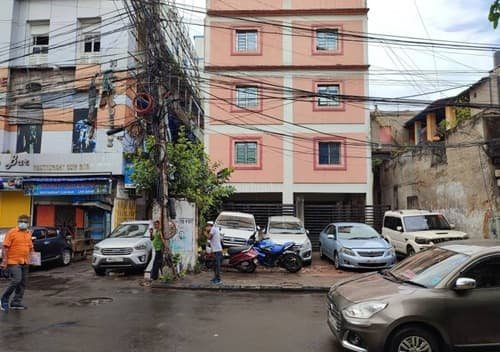
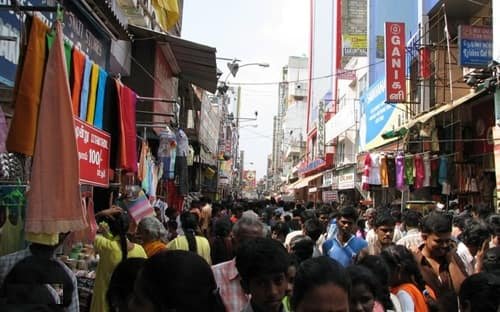
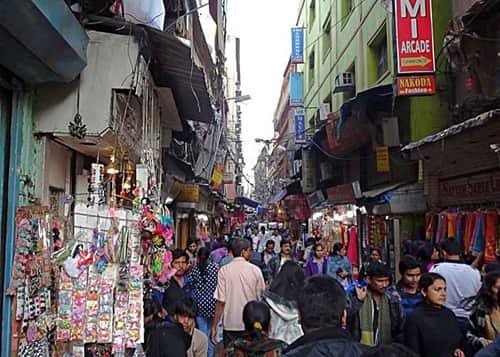
Few streets in Kolkata capture the raw commercial energy and cultural complexity of Kalakar Street. Located in the Burrabazar area of central Kolkata, this densely packed trading corridor is one of the most active wholesale and retail markets in the city. From festive decorations and idols to packaging materials, plastics, and general merchandise, Kalakar Street operates at a pace and intensity that reflects the beating commercial heart of one of India’s oldest and most vibrant trading cities.
For Kolkata’s business community, it is an essential sourcing destination. For the city’s festivals, particularly Durga Puja, it is virtually indispensable. Whether someone arrives to purchase wholesale goods, source decorative materials, or simply absorb the overwhelming energy of one of Kolkata’s most characterful trading streets, Kalakar Street delivers an experience that is entirely its own.
| Feature | Details |
| Location | Burrabazar, Central Kolkata, West Bengal |
| Nearby Area | MG Road, Rabindra Sarani, Zakaria Street |
| Length | Approximately 1.5 km |
| Famous For | Wholesale trade, Durga Puja materials, decorations, packaging, plastics |
| Historical Period | Over 150 years of continuous commercial activity |
| Best Time to Visit | Weekday mornings between 9 AM and 1 PM |
| Nearest Metro Station | MG Road Metro Station |
| Popular Crowd | Wholesalers, retailers, festival organisers, traders |
| Main Attractions | Wholesale markets, idol materials, decorative goods, packaging supplies |
| Street Type | Dense wholesale and retail commercial corridor |
History of Kalakar Street
The history of Kalakar Street is inseparable from the broader commercial history of Burrabazar, the trading district that has functioned as the economic engine of Kolkata for well over two centuries. Burrabazar developed during the colonial period as the primary wholesale and trading hub of Calcutta, attracting merchants from across India who established warehouses, counting houses, and retail establishments in its densely packed lanes.
Kalakar Street emerged within this trading ecosystem as a specialised corridor serving the needs of artisans, decorators, and festival organisers. The name Kalakar, meaning artist or craftsman in Hindi and Bengali, reflects the street’s historical association with the creative and artistic trades that supplied materials to the city’s vibrant festival culture.
Kolkata’s festivals, particularly Durga Puja, have always required an enormous supply chain of materials including clay, paint, fabric, decorative elements, lighting, and packaging. Kalakar Street positioned itself at the centre of this supply chain, becoming the go-to destination for pandal organisers, idol makers, and event decorators who needed to source materials quickly and at competitive wholesale prices.
Through the twentieth century, the street diversified beyond purely festival-related goods into broader wholesale trade including plastics, packaging materials, household products, and general merchandise. This diversification gave Kalakar Street a commercial resilience that allowed it to remain active and relevant throughout the year rather than peaking only during festival seasons.
Today Kalakar Street remains one of the most economically significant trading corridors in Burrabazar, handling substantial volumes of wholesale goods daily while retaining its special connection to Kolkata’s festival culture.
Location and Connectivity
Kalakar Street runs through the Burrabazar district of central Kolkata, connecting with several major roads and lanes in one of the city’s most commercially dense neighbourhoods. Its position within the Burrabazar trading cluster places it within easy reach of other major wholesale markets and the city’s historic commercial core.
By Metro
MG Road Metro Station on the Blue Line is the nearest station, from where Kalakar Street is accessible by a short walk or auto-rickshaw ride.
By Bus
Multiple city bus routes run along Rabindra Sarani and the surrounding arterial roads. The Burrabazar area is well connected by public transport from most parts of Kolkata.
By Cab or Auto
Yellow taxis and app-based cabs are available throughout the day. Auto-rickshaws and cycle rickshaws are practical for navigating the narrower lanes within the market area.
Nearby Landmarks
Some popular nearby places include:
- Burrabazar wholesale district
- Rabindra Sarani
- MG Road Metro Station
- Zakaria Street
- Nakhoda Mosque
What Is Kalakar Street Famous For?
1. Durga Puja and Festival Materials
Kalakar Street is most celebrated across Kolkata for its extraordinary concentration of Durga Puja supply shops. Decorative materials, artificial flowers, thermocol sheets, fabric, lighting accessories, and finishing materials for idols are available here at wholesale prices that no other market in the city can match. In the weeks leading up to Durga Puja, the street becomes the most important single sourcing destination for pandal committees and festival organisers from across Kolkata and surrounding districts.
2. Packaging Materials
A significant portion of Kalakar Street is dedicated to the wholesale trade in packaging materials. Cardboard boxes, bubble wrap, tape, polythene bags, and industrial packaging supplies are sourced here by businesses from across the city. The competitive pricing and variety available make it the preferred destination for packaging procurement among Kolkata’s small and medium business community.
3. Plastics and Household Goods
Kalakar Street has a thriving wholesale market for plastic goods and household products. Retailers from across Kolkata and surrounding districts visit regularly to purchase in bulk, and the density of suppliers ensures highly competitive pricing across a wide range of categories.
4. Decorative and Craft Supplies
Beyond festival-specific materials, the street stocks a broad range of decorative and craft supplies used by event managers, interior decorators, and small manufacturers. Ribbons, artificial flowers, craft paper, foam sheets, and speciality decorative items are available from multiple vendors at wholesale rates.
5. General Merchandise
Like most Burrabazar streets, Kalakar Street has a layer of general merchandise trade that runs alongside its more specialised offerings. Stationery, toys, gifting products, and everyday household items are available from numerous shops catering to both wholesale and retail buyers.
Best Time to Visit
Weekday mornings between 9 AM and 1 PM are the best time to visit Kalakar Street. During these hours wholesale trading is at its most active, shops are fully stocked, and the full commercial intensity of the street is visible. The pre-Durga Puja period from August through October is the most extraordinary time to visit, when the street operates at extraordinary intensity as festival organisers from across the region converge to complete their sourcing.
Interesting Facts
- Kalakar Street is considered one of the most important supply chain links for Durga Puja, the largest festival in West Bengal, which involves thousands of community pandals across the state.
- The name Kalakar, meaning artist or craftsman, reflects the street’s historical roots in supplying materials to Kolkata’s artisan and festival decoration community.
- Burrabazar, the broader district in which Kalakar Street sits, is one of the oldest continuously operating wholesale trading districts in India.
- The street’s packaging materials market supplies a significant proportion of Kolkata’s small and medium business community with everyday packaging needs.
- During the pre-Puja season, daily turnover on Kalakar Street is estimated to multiply several times over compared to regular trading periods.
FAQs
Q1. Why is Kalakar Street famous in Kolkata?
A: Kalakar Street is famous for its wholesale trade in Durga Puja materials, packaging supplies, plastics, decorative goods, and general merchandise. It is an essential sourcing destination for festival organisers across Kolkata.
Q2. What does Kalakar mean?
A: Kalakar means artist or craftsman in Hindi and Bengali, reflecting the street’s historical association with artisan trades and festival decoration materials.
Q3. When is the best time to visit Kalakar Street?
A: Weekday mornings are the most active trading hours. The pre-Durga Puja season from August through October is the most intense and atmospheric time to visit.
Q4. How do I reach Kalakar Street?
A: MG Road Metro Station is the nearest transit point. Auto-rickshaws from the station reach the street quickly.
Q5. Is Kalakar Street good for retail shopping?
A: The street is primarily wholesale-oriented but retail buyers can access competitive prices, particularly on packaging materials, plastics, and decorative goods.