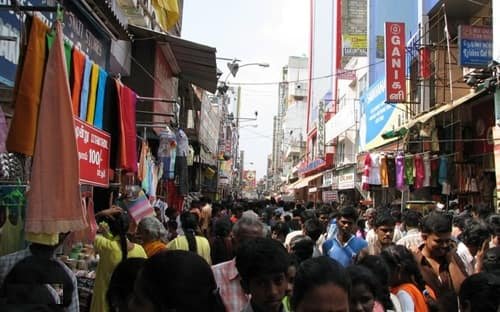
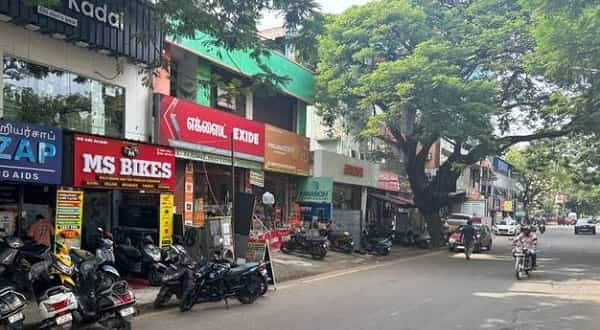
Kaliamman Koil Street is a well-known residential and temple-centered street found in parts of Chennai, especially around Koyambedu and Virugambakkam. The street is famous for local Amman temples, residential colonies, traditional neighborhood culture, and its connection with Chennai’s older suburban settlements.
The name “Kaliamman Koil Street” comes from nearby Kaliamman temples dedicated to Goddess Kali or Amman, which often served as important religious and community centers in Tamil neighborhoods. Over time, roads surrounding these temples naturally became known as Kaliamman Koil Street.
Today, Kaliamman Koil Street reflects the mix of old Chennai community culture and modern urban growth.
| Feature | Details |
| Location | Koyambedu and Virugambakkam, Chennai |
| Name Meaning | Street near Kaliamman Temple |
| Famous For | Temples and residential culture |
| Main Identity | Temple-centered neighborhood street |
| Nearby Areas | Koyambedu, Virugambakkam, Chinmaya Nagar |
| Popular Among | Residents and local devotees |
| Best Time to Visit | Evening and festival periods |
| Nearby Metro | CMBT and Koyambedu Metro Station |
| Known For | Local temple culture |
| Street Type | Residential and community street |
History of Kaliamman Koil Street
The history of Kaliamman Koil Street is closely connected with temple-based settlement patterns in Chennai.
In Tamil Nadu, many residential roads were historically named after nearby temples, deities, ponds, or local communities. “Kaliamman” refers to Goddess Kali Amman, while “Koil” means temple in Tamil.
As villages around present-day Chennai gradually urbanized during the 20th century, temple streets became central gathering places for local communities. Areas such as Virugambakkam and Koyambedu were originally semi-rural settlements containing agricultural lands, orchards, and village temples before becoming part of Chennai city expansion.
Over time, roads near Kaliamman temples developed into active residential neighborhoods containing:
- Temples
- Tea shops
- Grocery stores
- Schools
- Small markets
- Apartment buildings
The street name remained connected with the local temple identity even as urban development increased.
Location and Connectivity
Kaliamman Koil Street is mainly associated with areas around Koyambedu, Virugambakkam, and Chinmaya Nagar in Chennai.
The locality is well connected because of its proximity to major transport hubs.
By Metro
Nearby metro connectivity includes:
- Koyambedu Metro Station
- CMBT Metro Station
By Railway Station
Nearby railway stations include:
- Nungambakkam Railway Station
- Kodambakkam Railway Station
By Road
The area is connected through:
- Jawaharlal Nehru Road
- Arcot Road
- Poonamallee High Road
Buses, autos, taxis, and app-based cab services regularly operate in the locality.
Nearby Landmarks
Important nearby places include:
- Koyambedu Bus Terminus
- Rohini Theatre
- Chinmaya Nagar
- Virugambakkam
What Is Kaliamman Koil Street Famous For?
1. Kaliamman Temples
The biggest importance of Kaliamman Koil Street comes from its temple culture.
Local Kaliamman temples remain important centers for:
- Religious worship
- Festivals
- Community gatherings
- Annual Amman celebrations
Temple festivals especially attract large local crowds during summer and Aadi month celebrations.
2. Traditional Residential Culture
The street reflects traditional Chennai neighborhood life with:
- Narrow roads
- Small grocery shops
- Tea stalls
- Residential colonies
- Local temples
These localities preserve elements of old suburban Chennai culture.
3. Koyambedu Connectivity
Kaliamman Koil Street gained importance because of its location near Koyambedu, one of Chennai’s biggest transport and market hubs.
The nearby Chennai Mofussil Bus Terminus (CMBT) significantly increased the area’s growth and commercial activity.
4. Community-Based Festivals
Residents around Kaliamman Koil Street actively participate in:
- Amman festivals
- Processions
- Bhajans
- Temple decorations
- Community events
Temple-centered celebrations continue forming an important part of local identity.
5. Rapid Urban Development
The street also reflects Chennai’s transformation from village settlements into dense urban neighborhoods.
Virugambakkam and nearby regions experienced major residential growth after becoming integrated into Chennai city limits.
Why Kaliamman Koil Streets Are Common in Tamil Nadu
Several reasons explain why streets named “Kaliamman Koil Street” are found across Tamil Nadu.
First, Amman temples historically functioned as the center of village and neighborhood life.
Second, Tamil street naming traditions often used nearby temples as landmarks.
Third, Goddess Kaliamman worship remains deeply connected with local folk traditions and community festivals throughout Tamil Nadu.
Because of this, roads near Amman temples commonly adopted names such as:
- Kaliamman Koil Street
- Mariamman Koil Street
- Angalaamman Koil Street
Interesting Facts About Kaliamman Koil Street
- “Koil” means temple in Tamil.
- Kaliamman worship is strongly connected with Tamil folk traditions.
- Virugambakkam was originally a village area before becoming part of Chennai city.
- Koyambedu became one of Chennai’s biggest transport hubs after the development of the CMBT bus terminus.
- Temple-based street names remain very common across Chennai and Tamil Nadu.
Challenges Faced by the Area
Like many Chennai residential neighborhoods, Kaliamman Koil Street areas face urban challenges such as:
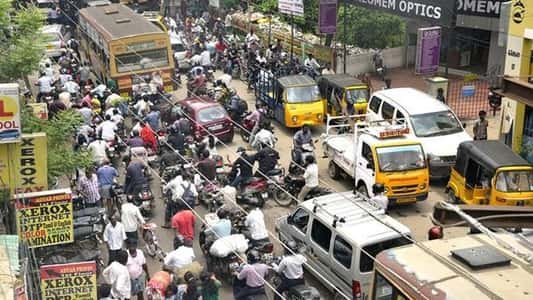
- Traffic congestion
- Waterlogging during monsoons
- Parking shortages
- Overcrowding
- Infrastructure pressure
Rapid urbanization near Koyambedu and Virugambakkam has increased pressure on roads and civic infrastructure.
Still, Kaliamman Koil Street continues preserving an important part of Chennai’s traditional temple-centered neighborhood culture.
FAQs
Q1. Why is Kaliamman Koil Street famous?
A: Kaliamman Koil Street is famous for temple culture, residential neighborhoods, and traditional Chennai community life.
Q2. What does Kaliamman Koil mean?
A: “Kaliamman Koil” means Temple of Goddess Kali Amman in Tamil.
Q3. Where is Kaliamman Koil Street located?
A: The street is mainly associated with Koyambedu, Virugambakkam, and nearby Chennai localities.
Q4. Why are many Chennai streets named after temples?
A: Historically, Chennai neighborhoods developed around temples, so streets were often named after nearby religious landmarks.
Q5. Which metro station is nearest to Kaliamman Koil Street?
A: Koyambedu Metro Station and CMBT Metro Station are among the nearest metro stations.
Q6. Why is Koyambedu important in Chennai?
A: Koyambedu is important because it contains Chennai’s major bus terminus and wholesale market facilities.
Q7. What are the major problems faced by the area?
A: Traffic congestion, drainage problems, overcrowding, and infrastructure pressure are common challenges in the locality.