Yes, a vintage car restoration business is legal in India, provided it complies with applicable business, motor vehicle, environmental, taxation and labour laws. If the restoration involves altering vehicle specifications or re-registering a vehicle, additional approvals under the motor vehicle laws may also be required.
Vintage car restoration involves repairing, rebuilding and preserving classic automobiles while retaining their historical value. Restoration work may include engine rebuilding, bodywork, painting, upholstery, electrical repairs and sourcing original parts. Since these vehicles are registered under Indian motor vehicle laws, restoration businesses must ensure that their work complies with the applicable legal and safety requirements.
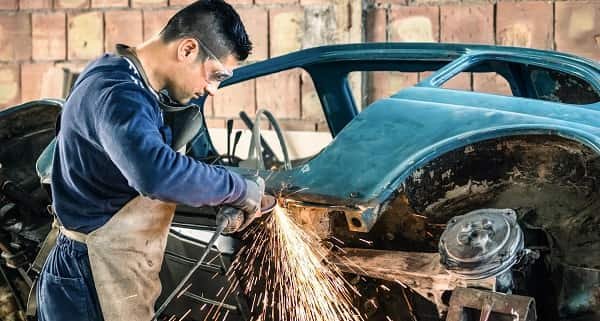
Legal Status of Vintage Car Restoration Businesses
Running a vintage car restoration business is legal in India. There is no law that prohibits the repair or restoration of vintage vehicles.
The business is primarily governed by the Motor Vehicles Act, 1988, the rules made under it and other applicable regulations relating to vehicle registration, emissions, taxation and road safety.
A restoration workshop should not make modifications that violate vehicle registration requirements or compromise roadworthiness.
Business Registration
A vintage car restoration business may operate as a sole proprietorship, partnership, LLP or private limited company.
Common registrations may include:
- PAN and a business bank account
- GST registration when applicable
- Shops and Establishments registration
- Udyam registration for eligible MSMEs
- Municipal trade licence where required
- Professional tax registration in applicable states
Depending on the size of the workshop, additional factory or labour law registrations may also become applicable.
Workshop and Safety Compliance
A restoration workshop should provide a safe working environment for employees and customers.
Important safety measures include:
- Fire extinguishers and emergency equipment
- Safe storage of paints, solvents and chemicals
- Proper ventilation
- Electrical safety measures
- Machinery guards
- Personal protective equipment (PPE)
- Safe lifting equipment for vehicles
- Proper disposal of hazardous waste
Businesses should also comply with applicable workplace safety and environmental regulations.
Vehicle Restoration and Regulatory Compliance
The objective of restoration is generally to preserve the originality and safety of the vehicle.
Where applicable, businesses should:
- Restore vehicles using suitable replacement parts.
- Maintain service and restoration records.
- Ensure modifications comply with applicable motor vehicle regulations.
- Verify the vehicle’s registration details before undertaking major structural work.
- Advise customers regarding approvals that may be required for significant alterations.
If the restoration substantially changes the vehicle’s specifications, additional approval from the registering authority may be necessary.
Environmental Compliance
Vehicle restoration generates waste such as used engine oil, paint residue, solvents, batteries and metal scrap.
The workshop should:
- Dispose of hazardous waste through authorised agencies.
- Store chemicals safely.
- Prevent oil and chemical spills.
- Recycle scrap materials where possible.
- Comply with applicable pollution control requirements.
Improper disposal of hazardous waste may attract environmental penalties.
GST and Tax Compliance
A vintage car restoration business should comply with applicable tax laws.
The business should:
- Obtain GST registration where required.
- Issue tax invoices.
- Maintain accounts and inventory records.
- File GST and income-tax returns.
- Maintain records of spare parts and labour charges.
- Comply with applicable TDS provisions.
Proper documentation also assists in warranty claims and customer dispute resolution.
When Can a Vintage Car Restoration Business Become Illegal?
A vintage car restoration business may face legal action when it:
- Carries out unlawful vehicle modifications.
- Alters or tampers with the vehicle identification number (VIN) or chassis number.
- Uses stolen vehicle parts.
- Disposes of hazardous waste improperly.
- Operates without mandatory business or local approvals.
- Issues false restoration certificates or invoices.
- Violates labour, environmental or tax laws.
- Misrepresents rebuilt vehicles as original without proper disclosure.
Authorities may impose penalties, seize unlawfully obtained parts, suspend operations or initiate prosecution depending on the nature of the violation.
Frequently Asked Questions
Q1. Can a restored vintage car be legally driven on public roads?
A: Yes, provided the vehicle has valid registration, insurance, fitness requirements where applicable, and complies with the relevant provisions of the Motor Vehicles Act and applicable rules.
Q2. Can a restoration workshop replace original vehicle parts?
A: Yes. Worn or damaged parts may be replaced where necessary. However, owners generally prefer period-correct or compatible parts to preserve the vehicle’s authenticity and value.
Q3. Is approval required before making major modifications to a vintage car?
A: It may be. Significant structural or technical modifications that affect the vehicle’s registered specifications may require approval from the competent motor vehicle authority.
Q4. Can a restoration business import vintage car parts?
A: Yes, subject to India’s customs, import and foreign trade regulations. Imported parts must comply with the applicable legal requirements, and the importer should complete the prescribed customs formalities.
Bottom Line
A vintage car restoration business is legal in India, but it must comply with motor vehicle, environmental, business and tax laws. Workshop owners should maintain safe facilities, use lawfully sourced parts, keep accurate restoration records and ensure that any modifications comply with applicable motor vehicle regulations. Responsible restoration practices help preserve automotive heritage while ensuring that restored vehicles remain safe and legally compliant.