Yes, a honey bee farming business is legal in India, provided it complies with the applicable business, agriculture, food safety, animal health and environmental regulations. If the business manufactures, processes or markets honey or other bee products for human consumption, additional food safety requirements may apply.
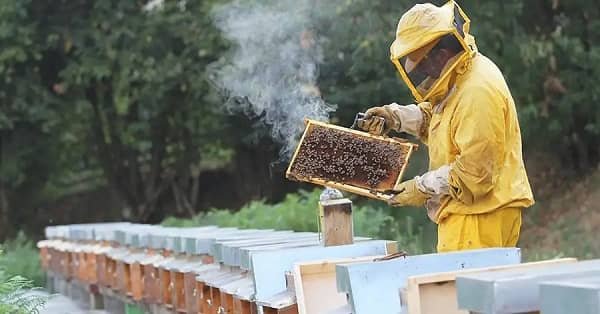
Honey bee farming, also known as apiculture, involves rearing honey bees for the production of honey, beeswax, royal jelly, pollen, propolis and pollination services. It is recognised as an important agricultural activity that supports crop pollination and rural livelihoods. However, beekeepers must operate responsibly to protect public safety, bee health and food quality.
Legal Status of Honey Bee Farming in India
Running a honey bee farming business is legal in India. There is no law prohibiting individuals or businesses from keeping honey bees for commercial purposes.
However, businesses involved in processing, packaging or selling honey for human consumption must comply with applicable food safety laws. Depending on the scale of operations, environmental, local authority and agricultural regulations may also apply.
Beekeepers should ensure that their activities do not create public nuisance or violate local land-use restrictions.
Business Registration
A honey bee farming business may operate as a sole proprietorship, partnership, LLP, farmer producer organisation (FPO) or private limited company.
Common registrations may include:
- PAN and a business bank account
- Udyam registration for eligible MSMEs
- GST registration when applicable
- Shops and Establishments registration where applicable
- Professional tax registration in applicable states
Business registration alone does not authorise the sale of food products without complying with food safety requirements.
Food Safety and Honey Processing
If the business extracts, processes, bottles or sells honey for human consumption, it must comply with the Food Safety and Standards Act, 2006 and the regulations made under it.
Depending on the nature and scale of the business, compliance may include:
- FSSAI registration or licence, as applicable
- Hygienic processing facilities
- Proper packaging and labelling
- Safe storage of honey
- Quality testing where required
- Traceability of production batches
Honey should meet the prescribed food quality standards before being marketed.
Apiary Management and Bee Health
Successful beekeeping depends on maintaining healthy bee colonies.
Important practices include:
- Proper placement of bee colonies
- Disease and pest management
- Regular hive inspections
- Adequate water sources
- Seasonal colony management
- Safe handling of bees
- Responsible use of veterinary products where applicable
- Protection of bees from harmful pesticides
Beekeepers should avoid practices that may spread diseases between colonies.
Packaging, Labelling and Consumer Protection
Honey sold to consumers should be properly packaged and labelled in accordance with applicable food laws.
Labels should accurately disclose:
- Product name
- Net quantity
- Manufacturer or packer details
- Batch number
- Date markings where required
- FSSAI licence number, where applicable
Businesses should not make false claims such as “100% organic,” “medicinal cure,” or “disease-free guarantee” unless legally permitted and supported by evidence.
GST and Tax Compliance
A honey bee farming business should comply with applicable tax laws.
The business should:
- Obtain GST registration where required.
- Maintain proper books of account.
- Issue invoices where applicable.
- File income-tax returns.
- Maintain production and sales records.
- Comply with applicable TDS provisions.
The GST treatment of honey and related products depends on the applicable tax provisions and the nature of the supply.
When Can a Honey Bee Farming Business Become Illegal?
A honey bee farming business may face legal action when it:
- Sells honey without complying with applicable food safety requirements.
- Operates a food processing unit without the required FSSAI registration or licence.
- Adulterates honey or misrepresents its quality.
- Uses false or misleading labels.
- Maintains unhygienic processing facilities.
- Violates local environmental or public safety regulations.
- Fails to comply with GST or income-tax obligations.
- Markets unsafe or contaminated honey.
Authorities may seize products, suspend licences, impose penalties or initiate prosecution depending on the nature of the violation.
Frequently Asked Questions
Q1. Is an FSSAI licence required to sell honey?
A: If honey is processed, packaged or sold as a food product, FSSAI registration or a licence is generally required depending on the scale and nature of the business.
Q2. Can honey bee farming be carried out on agricultural land?
A: Yes. Beekeeping is commonly carried out on agricultural land, orchards and farms, provided it complies with applicable local regulations and does not create a public nuisance.
Q3. Can a beekeeper earn income from pollination services?
A: Yes. In addition to selling honey and beeswax, beekeepers may legally provide pollination services to farmers and orchard owners under commercial agreements.
Q4. Can imported honey be mixed with locally produced honey?
A: Yes, but businesses must comply with applicable food safety, labelling and quality standards. Any blending should be accurately disclosed where required, and the final product must meet the prescribed regulatory requirements.
Bottom Line
A honey bee farming business is legal in India and is recognised as an important agricultural and allied activity. However, businesses involved in processing or selling honey must comply with food safety laws, maintain hygienic production standards, use truthful labelling and follow applicable tax and business regulations. Responsible beekeeping not only ensures legal compliance but also supports sustainable agriculture, biodiversity and consumer confidence.