Yes, a cattle trading business is legal in India, provided it complies with the applicable animal welfare, livestock transportation, state-specific cattle preservation laws, taxation and business regulations. Since laws governing cattle vary significantly between states, traders must ensure that every transaction complies with the laws of the state where the cattle are purchased, transported and sold.
Cattle trading involves the purchase and sale of cows, buffaloes, bulls, bullocks, calves and other bovine animals for purposes such as dairy farming, breeding, agriculture and other lawful uses. Because cattle are protected under various state laws, the legality of a transaction depends not only on business registration but also on compliance with animal welfare and state-specific regulations.
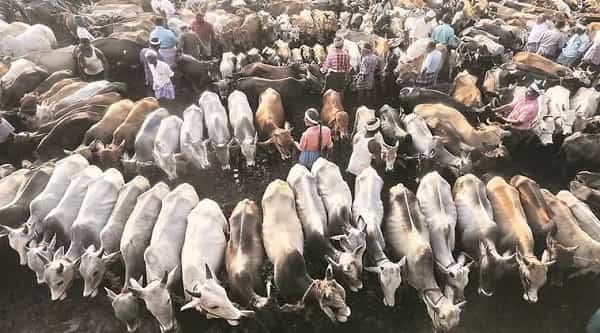
Legal Status of Cattle Trading in India
Running a cattle trading business is legal in India. However, cattle trading is regulated by both central and state laws.
The Prevention of Cruelty to Animals Act, 1960 and the rules framed under it regulate the humane treatment and transportation of animals. In addition, many states have enacted cattle preservation or cow protection laws that restrict or prohibit the slaughter, transport or sale of certain categories of cattle.
The legal requirements vary considerably from one state to another. Traders should verify the applicable laws before purchasing, transporting or selling cattle.
Business Registration
A cattle trading business may operate as a sole proprietorship, partnership, LLP or private limited company.
Common registrations may include:
- PAN and a business bank account
- Shops and Establishments registration
- GST registration when applicable
- Udyam registration for eligible MSMEs
- Municipal trade licence where required
- Professional tax registration in applicable states
Business registration does not exempt a trader from complying with livestock and animal welfare laws.
Animal Identification and Documentation
Cattle traders should maintain complete documentation relating to every transaction.
Important records may include:
- Purchase invoices
- Seller and buyer details
- Animal identification records
- Veterinary health certificates where required
- Transport permits where applicable
- Vaccination records
- Movement documents required under state laws
Maintaining accurate records helps establish lawful ownership and facilitates inspections by the authorities.
Transportation and Animal Welfare
Cattle must be transported in accordance with the applicable animal welfare regulations.
Important compliance measures include:
- Suitable transport vehicles
- Adequate food and water during transit
- Sufficient space for animals
- Protection from injury
- Veterinary care where necessary
- Compliance with transport permit requirements
- Humane loading and unloading practices
Cruel treatment of animals during transport may attract penalties under applicable animal welfare laws.
Livestock Markets and State Restrictions
Many cattle transactions take place through regulated livestock markets or authorised channels.
Depending on the state, restrictions may apply to:
- Sale of cows for slaughter
- Inter-state transportation of cattle
- Movement of protected cattle breeds
- Sale of diseased animals
- Slaughter of certain categories of cattle
Traders should verify whether additional permissions or certificates are required before transporting cattle across state borders.
GST and Tax Compliance
A cattle trading business should comply with applicable tax laws.
The business should:
- Determine whether GST applies to its transactions.
- Maintain proper books of account.
- Issue invoices where required.
- File income-tax returns.
- Maintain purchase and sales records.
- Comply with applicable TDS provisions.
Professional tax advice may be appropriate because the GST treatment of livestock transactions depends on the nature of the supply and the applicable tax provisions.
When Can a Cattle Trading Business Become Illegal?
A cattle trading business may face legal action when it:
- Trades cattle in violation of applicable state cattle preservation laws.
- Transports cattle without required permits or documentation.
- Subjects animals to cruelty during transport or handling.
- Uses forged ownership or health records.
- Trades stolen livestock.
- Sells diseased animals without complying with applicable regulations.
- Violates quarantine or disease-control measures.
- Evades GST or income-tax obligations.
Authorities may seize the animals, impose penalties, cancel licences where applicable or initiate criminal proceedings depending on the nature of the violation.
Frequently Asked Questions
Q1. Can cattle be transported from one state to another?
A: Yes, but inter-state transport is subject to the laws of both the originating and destination states. Depending on the circumstances, permits, health certificates or other documentation may be required.
Q2. Are cattle trading laws the same throughout India?
A: No. Several states have enacted their own cattle preservation laws. Therefore, restrictions on the sale, transport or slaughter of cattle differ across states.
Q3. Can cattle be sold through online platforms?
A: Yes. Online sale of cattle is generally permissible, provided the actual transaction, ownership transfer and transportation comply with all applicable animal welfare and state laws.
Q4. Is a veterinary health certificate required for every cattle sale?
A: Not always. The requirement depends on the applicable state laws, the purpose of the transaction and whether the cattle are being transported. However, maintaining health records is advisable, particularly for commercial trading.
Bottom Line
A cattle trading business is legal in India, but it operates under a complex legal framework involving animal welfare legislation and state-specific cattle preservation laws. Traders should complete the necessary business registrations, maintain proper transaction records, comply with transportation and animal welfare requirements, and verify the legal restrictions applicable in each state before conducting any transaction. Careful compliance helps ensure lawful operations while protecting both animal welfare and public interests.