Yes, an antique dealing business is legal in India, provided the dealer complies with applicable heritage, customs, taxation, consumer protection and business laws. Certain antiques may also be subject to restrictions on ownership, sale, export or transfer under Indian law.
Antique dealers buy, sell and evaluate old paintings, sculptures, coins, furniture, manuscripts, jewellery and other historical objects. While trading in antiques is not prohibited, the business is regulated because many items have cultural, archaeological and national importance. Dealers must ensure that the objects they trade are legally acquired and that they comply with all applicable laws before selling them within India or abroad.
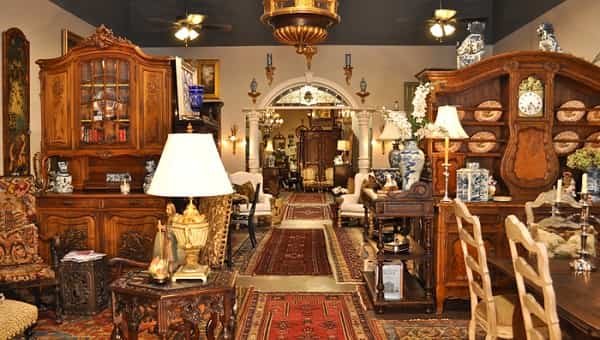
Legal Status of Antique Dealers in India
Running an antique dealing business is legal in India. However, antiques are not treated like ordinary second-hand goods. Various laws regulate antiques, archaeological objects and cultural property.
The principal law governing antiques is the Antiquities and Art Treasures Act, 1972, together with the applicable rules. Other laws relating to customs, taxation, consumer protection and criminal offences may also apply depending on the nature of the transaction.
An antique dealer should verify whether an item qualifies as an “antiquity” under Indian law before offering it for sale. Different legal requirements may apply depending on the age, historical significance and category of the object.
Business Registration
An antique dealing business may operate as a sole proprietorship, partnership, LLP or private limited company.
Depending on the business structure and location, common registrations may include:
- PAN and a business bank account
- Shops and Establishments registration
- Municipal trade licence where required
- GST registration when applicable
- Udyam registration for eligible MSMEs
- Professional tax registration in applicable states
Business registration alone does not authorise a dealer to sell protected antiquities in violation of heritage laws.
Registration and Compliance for Antiquities
Certain antiquities may require registration with the competent authority under applicable heritage laws. Dealers should verify whether a particular object is required to be registered before purchasing or selling it.
The dealer should maintain proper records showing:
- Source of acquisition
- Seller details
- Purchase invoices
- Photographs of valuable items
- Registration documents where applicable
- Sale records and buyer details
Maintaining complete records helps establish lawful ownership and reduces the risk of dealing in stolen or illegally excavated artefacts.
Import and Export Restrictions
Exporting antiques from India is heavily regulated. Many antiquities cannot be exported without the required government permission, and certain protected objects may be completely prohibited from export.
Similarly, imported antiques should comply with customs requirements and applicable import regulations.
A dealer should never assume that ownership automatically gives the right to export an antique. Customs authorities may seize prohibited items and initiate legal proceedings where violations occur.
Consumer Protection and Authenticity
Antique dealers should accurately describe the age, origin, condition and authenticity of every item offered for sale.
Customers should receive:
- Proper invoices
- Accurate descriptions
- Clear pricing
- Information about restoration or repairs
- Authenticity certificates where available
- Refund terms, if applicable
Selling replicas as genuine antiques or concealing material defects may amount to an unfair trade practice under the Consumer Protection Act, 2019.
GST and Tax Compliance
The sale of antiques may attract GST depending on the nature of the goods, applicable exemptions and the dealer’s turnover. Dealers should determine the correct tax treatment before issuing invoices.
The business should also:
- Maintain proper books of account
- File income-tax returns
- Issue tax invoices where required
- Maintain purchase and sales records
- Comply with TDS provisions wherever applicable
Professional tax advice may be necessary for high-value transactions involving antiques or imported cultural objects.
When Can an Antique Dealing Business Become Illegal?
An antique dealing business may face legal action when it:
- Trades in stolen antiques or cultural property.
- Sells protected antiquities without complying with applicable legal requirements.
- Exports antiques without the required government permission.
- Creates or sells forged authenticity certificates.
- Misrepresents replicas as genuine antiques.
- Fails to maintain legally required transaction records.
- Purchases artefacts obtained through illegal excavation or theft.
- Evades GST or income-tax obligations.
- Makes false claims regarding an item’s historical origin or value.
Depending on the violation, authorities may seize the items, impose penalties, prosecute the offender or confiscate illegally traded antiquities.
Frequently Asked Questions
Q1. Can anyone start an antique dealing business in India?
A: Yes. A person may start an antique dealing business after completing the necessary business registrations and complying with laws governing antiquities, taxation and consumer protection.
Q2. Can antique items be exported from India?
A: Not always. Many antiques are subject to strict export restrictions, and certain antiquities cannot be exported without the required government approval.
Q3. Is it legal to sell antique coins and sculptures?
A: Yes, provided they have been lawfully acquired and their sale complies with applicable heritage and antiquities laws. Protected cultural objects may be subject to additional legal restrictions.
Q4. Can an antique dealer sell replicas?
A: Yes. However, replicas should be clearly described as reproductions and must not be represented as genuine antiques.