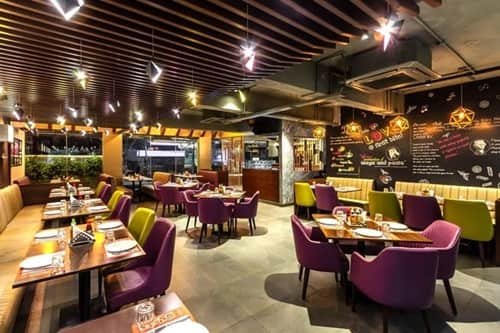
Lal Street is one of the lesser-known but historically connected commercial roads located in Bengaluru’s old market and trading region. The locality is associated with small-scale businesses, traditional commercial activity, market connectivity, and old Bengaluru urban culture. Situated near central trading zones and busy market roads, Lal Street forms part of the city’s older commercial network.
Over the years, the street became connected with retail shops, local businesses, transport movement, and dense urban settlement patterns commonly seen in traditional Bengaluru markets.
Today, Lal Street continues functioning as an active commercial and local business area within Bengaluru’s growing urban structure.
| Feature | Details |
| Location | Central Bengaluru, Karnataka |
| Famous For | Traditional commercial activity and local businesses |
| Main Identity | Historic market-linked street |
| Nearby Areas | Chickpet, Avenue Road, Balepet |
| Popular Among | Traders, shoppers, local residents |
| Best Time to Visit | Morning and business hours |
| Nearby Metro Station | Chickpet Metro Station |
| Known For | Old Bengaluru market culture |
| Street Type | Commercial urban road |
| Historical Importance | Part of Bengaluru’s traditional trading network |
History of Lal Street
The history of Lal Street is closely connected with the development of Bengaluru’s older market districts.
During the late 19th century and early 20th century, commercial localities around Chickpet, Avenue Road, Cottonpet, and Balepet gradually developed into dense trading zones. Merchant communities, wholesalers, retailers, and transport workers settled across these areas because of growing business opportunities.
Like many old Bengaluru roads, Lal Street developed as a supporting commercial lane connected with nearby trading activity.
The locality gradually became associated with:
- Small retail businesses
- Wholesale support activity
- Storage units
- Traditional merchant settlements
- Transport movement
- Daily market operations
As Bengaluru expanded rapidly after independence, nearby commercial roads continued attracting more traders and small businesses, helping streets like Lal Street remain economically active.
Even today, the locality reflects elements of old Bengaluru market culture.
Location and Connectivity
Lal Street is located within Central Bengaluru’s commercial zone.
The locality remains accessible because of strong road and metro connectivity.
By Metro
Nearby metro stations include:
- Chickpet Metro Station
- KR Market Metro Station
- Majestic Metro Station
By Railway Station
Nearby railway connectivity includes:
- KSR Bengaluru City Railway Station
- Bengaluru Cantonment connectivity routes
By Road
The locality is connected through:
- Avenue Road
- Chickpet Main Road
- Balepet Road
- BVK Iyengar Road
Autos, BMTC buses, taxis, and goods vehicles regularly operate around the locality.
Nearby Landmarks
Important nearby places include:
- Chickpet Market
- Avenue Road
- Balepet
- KR Market
- Cottonpet
What Is Lal Street Famous For?
1. Traditional Commercial Activity
The biggest reason behind the importance of Lal Street is its connection with Bengaluru’s old commercial culture.
The locality contains:
- Retail shops
- Wholesale support businesses
- Market-linked stores
- Trading establishments
- Small commercial units
The street remains active throughout business hours.
2. Old Bengaluru Market Culture
Lal Street reflects the atmosphere of traditional Bengaluru trading localities with:
- Narrow commercial roads
- Dense business clusters
- Heavy pedestrian movement
- Delivery activity
- Traditional shop structures
This atmosphere remains one of the defining characteristics of the locality.
3. Chickpet and Avenue Road Connectivity
The street benefits from its proximity to Bengaluru’s major trading districts.
Nearby roads became famous for:
- Textile markets
- Hardware shops
- Bookstores
- Electronics businesses
- Wholesale trading
This connectivity helped maintain the street’s commercial relevance.
4. Small Business Ecosystem
Several small-scale businesses and local traders operate across the locality.
The area supports:
- Retail commerce
- Local suppliers
- Transport workers
- Daily market operations
- Commercial storage activity
5. Central Trading Access
Its central location helped Lal Street remain connected with different commercial zones across Bengaluru.
Why Lal Street Became Important
Several reasons helped Lal Street become commercially important.
First, Bengaluru’s old market districts expanded rapidly during the colonial and post-independence periods.
Second, nearby wholesale markets created strong business activity across surrounding roads.
Third, road and metro connectivity improved accessibility for traders, workers, and customers.
Today, Lal Street remains part of Bengaluru’s traditional urban business environment.
Interesting Facts About Lal Street
- Lal Street forms part of Bengaluru’s old commercial road network.
- The locality is connected with nearby Chickpet and Avenue Road markets.
- Traditional small businesses still operate across the area.
- The surrounding region remains one of Bengaluru’s busiest market zones.
- Heavy commercial movement continues throughout the day.
Challenges Faced by the Area
Like many old Bengaluru commercial roads, Lal Street faces several urban challenges.
These include:
- Traffic congestion
- Parking shortages
- Narrow roads
- Heavy pedestrian movement
- Infrastructure pressure
Rapid urban growth and increasing business activity continue creating pressure across the locality.
Despite these challenges, Lal Street continues preserving part of Bengaluru’s traditional trading culture.
FAQs About Lal Street, Bengaluru
Q1. Why is Lal Street famous?
A: Lal Street is famous for traditional commercial activity and old Bengaluru market culture.
Q2. Where is Lal Street located?
A: The street is located in Central Bengaluru near major trading and market areas.
Q3. Which metro station is nearest to Lal Street?
A: Chickpet Metro Station is one of the nearest metro stations.
Q4. What is Chickpet famous for?
A: Chickpet is famous for textile markets, wholesale trade, jewellery shops, and traditional Bengaluru business culture.
Q5. What businesses are common on Lal Street?
A: Retail shops, trading establishments, local businesses, and market-linked commercial units are commonly found in the locality.
Q6. Why did the locality develop rapidly?
A: Commercial expansion, central market connectivity, and growing trade activity helped the locality develop quickly.
Q7. What are the major problems faced by the area?
A: Traffic congestion, overcrowding, parking shortages, and infrastructure pressure are major challenges faced by the locality.