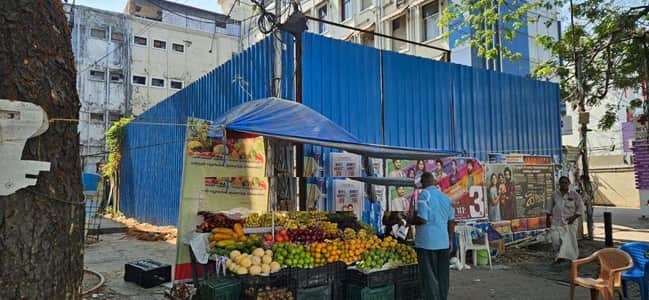
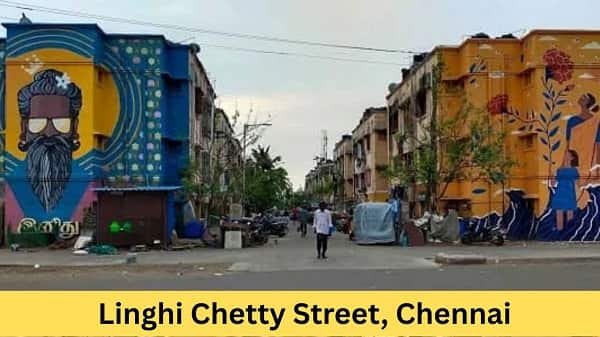
Mundakanni Amman Koil Street is one of the historic and culturally important roads in Mylapore, Chennai. The street is famous for the ancient Mundakanni Amman Temple, traditional neighborhood culture, temple festivals, religious devotion, and old Mylapore heritage.
Located near Luz and Santhome Road, the street forms part of the historic Mylapore area, one of Chennai’s oldest settlements. Over the years, Mundakanni Amman Koil Street became closely associated with temple-centered community life, devotional traditions, and old Chennai residential culture.
Today, the street remains an important spiritual and cultural landmark in Mylapore.
| Feature | Details |
| Location | Mylapore, Chennai, Tamil Nadu |
| Famous For | Mundakanni Amman Temple |
| Main Identity | Religious and residential street |
| Nearby Areas | Luz, Santhome, Royapettah |
| Popular Among | Devotees and local residents |
| Best Time to Visit | Morning and festival periods |
| Nearby Railway Station | Mundakanniamman Koil MRTS Station |
| Known For | Temple culture and local heritage |
| Street Type | Temple-centered neighborhood road |
| Historical Importance | Ancient Mylapore religious locality |
History of Mundakanni Amman Koil Street
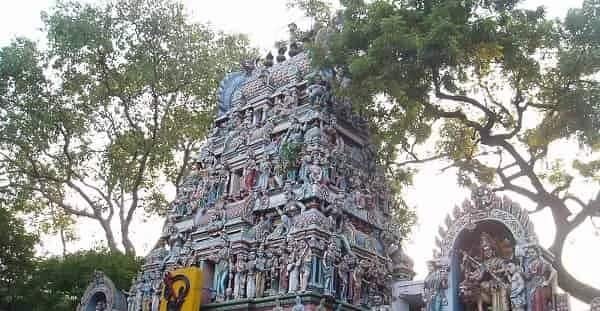
The history of Mundakanni Amman Koil Street is deeply connected with the ancient Mundakanni Amman Temple located on the street.
Historical and temple references describe the temple as more than 1,300 years old, making it one of Chennai’s oldest Amman shrines. The temple is dedicated to Goddess Mundakanni Amman, considered a form of Mariamman and one among the guardian deities of Chennai.
The word “Mundakanni” is traditionally interpreted as “the goddess with beautiful or powerful eyes.” Temple traditions describe the deity as a swayambhu form, meaning naturally manifested rather than man-made.
Mylapore itself was one of the oldest settlements in the Chennai region and developed long before British Madras emerged. Temple streets like Mundakanni Amman Koil Street became important centers of:
- Religious worship
- Community gatherings
- Local trade
- Festival celebrations
- Traditional neighborhood life
Historical writings and local accounts also connect the locality with old goldsmith communities and traditional artisans who once lived around the temple streets of Mylapore.
During the 20th century, the street gradually developed into a dense residential neighborhood containing:
- Traditional houses
- Apartment buildings
- Grocery stores
- Tea stalls
- Flower shops
- Religious stores
Even today, the street preserves much of old Mylapore’s cultural atmosphere.
Location and Connectivity
Mundakanni Amman Koil Street is located in Mylapore near Luz Church Road and Santhome Road in Chennai.
The locality remains highly accessible because of its central location inside Mylapore.
By Railway Station
Nearby railway connectivity includes:
- Mundakanniamman Koil MRTS Station
- Thirumayilai MRTS Station
- Mandaveli MRTS Station
By Metro
Nearby metro connectivity includes:
- Thirumayilai Metro connectivity routes
- Government Estate Metro connectivity routes
By Road
The street is connected through:
- Luz Church Road
- Santhome High Road
- RK Mutt Road
- Royapettah High Road
Autos, buses, taxis, and app-based cab services regularly operate in the locality.
Nearby Landmarks
Important nearby places include:
- Kapaleeswarar Temple
- Luz Church
- Santhome Basilica
- Mylapore Tank
- City Centre area
What Is Mundakanni Amman Koil Street Famous For?
1. Mundakanni Amman Temple
The biggest reason behind the importance of the street is the Mundakanni Amman Temple.
The temple is famous for:
- Ancient history
- Mariamman worship
- Religious healing beliefs
- Devotional rituals
- Festival celebrations
The temple remains one of Chennai’s best-known Amman shrines.
2. Temple Festivals
The locality becomes highly active during temple festivals and religious celebrations.
Important occasions include:
- Aadi month festivals
- Panguni celebrations
- Amman processions
- Special poojas
- Community prayers
Devotees from different parts of Chennai regularly visit the temple during festival seasons.
3. Traditional Mylapore Culture
Mundakanni Amman Koil Street reflects the traditional atmosphere of old Mylapore with:
- Narrow residential lanes
- Flower shops
- Religious item stores
- Temple-based activity
- Community interaction
This environment remains one of the defining characteristics of the locality.
4. MRTS Railway Station Connection
The locality became even more well known after the opening of Mundakanniamman Koil MRTS Station in 2014.
The station was named after the temple because it is located near the street and serves northern Mylapore and Santhome areas.
5. Religious Harmony and Heritage
The surrounding Mylapore area contains temples, churches, and mosques located close together, reflecting Chennai’s long history of religious coexistence.
The locality remains culturally important because of this heritage atmosphere.
Why Mundakanni Amman Koil Street Became Important
Several reasons helped Mundakanni Amman Koil Street become historically important.
First, the presence of the ancient temple gave the locality spiritual importance.
Second, Mylapore evolved into one of Chennai’s oldest cultural and religious neighborhoods.
Third, temple-centered settlement patterns naturally transformed the road into an important residential and devotional street.
Today, the street remains deeply connected with Chennai’s traditional religious identity.
Interesting Facts About Mundakanni Amman Koil Street
- The Mundakanni Amman Temple is believed to be over 1,300 years old.
- The deity is considered one of Chennai’s guardian goddesses.
- The Rajagopuram of the temple was expanded in 1979.
- Mundakanniamman Koil MRTS Station opened in 2014.
- The temple became famous for prayers related to health and good fortune.
Challenges Faced by the Area
Like many old Mylapore roads, Mundakanni Amman Koil Street faces several urban challenges.
These include:
- Traffic congestion
- Parking shortages
- Narrow roads
- Overcrowding during festivals
- Infrastructure pressure
Rapid urban growth around Mylapore and Santhome has increased vehicle movement and population density significantly.
Despite these challenges, the street continues preserving an important part of Chennai’s temple heritage.
FAQs About Mundakanni Amman Koil Street, Chennai
Q: Why is Mundakanni Amman Koil Street famous?
A: The street is famous for the ancient Mundakanni Amman Temple and traditional Mylapore religious culture.
Q: Where is Mundakanni Amman Koil Street located?
A: The street is located in Mylapore near Luz and Santhome Road in Chennai.
Q: What is the Mundakanni Amman Temple famous for?
A: The temple is famous for Mariamman worship, healing beliefs, ancient history, and religious festivals.
Q: How old is the Mundakanni Amman Temple?
A: The temple is believed to be more than 1,300 years old.
Q: Which railway station is nearest to Mundakanni Amman Koil Street?
A: Mundakanniamman Koil MRTS Station is the nearest railway station.
Q: Why is Mylapore important in Chennai?
A: Mylapore is considered one of Chennai’s oldest cultural, historical, and religious neighborhoods.
Q: What are the major problems faced by the area?
A: Traffic congestion, overcrowding, parking shortages, and infrastructure pressure are major challenges faced by the locality.