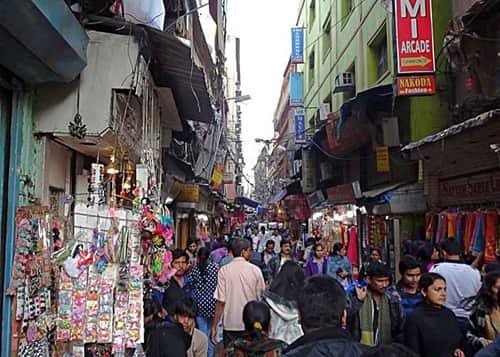
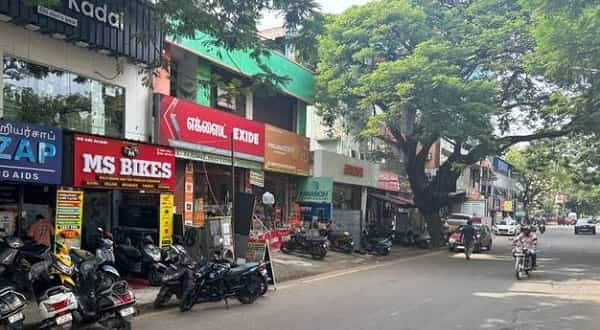
South Mada Street is one of the most historic and culturally important roads in Mylapore, Chennai. Located around the famous Kapaleeswarar Temple, the street is known for temple culture, traditional markets, religious festivals, old Chennai heritage, classical music influence, and vibrant local life.
The road forms part of the four historic Mada Streets surrounding the Kapaleeswarar Temple in Mylapore. For centuries, these streets served as the cultural, social, and commercial heart of old Mylapore.
Today, South Mada Street remains one of Chennai’s most iconic heritage roads and an important symbol of the city’s traditional identity.
| Feature | Details |
| Location | Mylapore, Chennai, Tamil Nadu |
| Famous For | Kapaleeswarar Temple and heritage culture |
| Main Identity | Historic temple and market street |
| Nearby Areas | Mylapore, RK Mutt Road, Luz |
| Popular Among | Devotees, shoppers, tourists |
| Best Time to Visit | Morning and festival periods |
| Nearby Metro | Thirumayilai and Luz Metro connectivity |
| Known For | Temple festivals and traditional markets |
| Street Type | Religious and commercial street |
| Historical Importance | Part of Mylapore’s ancient Mada Streets |
History of South Mada Street
The history of South Mada Street is deeply connected with the Kapaleeswarar Temple and the ancient settlement of Mylapore.
Mylapore is considered one of Chennai’s oldest neighborhoods, with historical references dating back to ancient Tamil and Roman trade periods. Historians believe the region existed long before the formation of modern Chennai.
The Kapaleeswarar Temple, around which the Mada Streets developed, was rebuilt by the Vijayanagara rulers during the 16th century after earlier temple structures near the coast were destroyed.
The four Mada Streets — North, East, South, and West Mada Streets — were planned around the temple in traditional South Indian temple-town style. These streets became the center of:
- Religious activity
- Temple processions
- Social gatherings
- Shopping
- Classical arts
- Community life
Historical accounts mention that by the late 19th century, South Mada Street contained residences of wealthy Mudaliar merchants, Brahmin lawyers, and respected local families.
The area also became famous for:
- Bhajan traditions
- Carnatic music culture
- Traditional handloom weaving
- Ayurvedic practitioners
- Temple-centered community life
Older writings describe handloom weavers working directly on South Mada Street during early mornings before traffic increased.
Even today, the street preserves much of old Mylapore’s cultural atmosphere.
Location and Connectivity
South Mada Street is located in Mylapore surrounding the Kapaleeswarar Temple area in central Chennai.
The locality remains highly accessible because of its cultural and commercial importance.
By Railway Station
Nearby railway connectivity includes:
- Thirumayilai MRTS Station
- Mandaveli MRTS Station
By Metro
Nearby metro connectivity includes:
- Luz Metro connectivity routes
- Thirumayilai Metro connectivity routes
By Road
The street is connected through:
- RK Mutt Road
- Kutchery Road
- Luz Corner
- PS Sivaswami Salai
Autos, buses, taxis, and app-based cab services regularly operate in the locality.
Nearby Landmarks
Important nearby places include:
- Kapaleeswarar Temple
- Mylapore Tank
- Nageswara Rao Park
- Luz Church Road
- Kutchery Road
What Is South Mada Street Famous For?
1. Kapaleeswarar Temple
The biggest reason behind the importance of South Mada Street is the Kapaleeswarar Temple.
The temple is famous for:
- Dravidian architecture
- Religious festivals
- Ancient traditions
- Panguni Peruvizha festival
- Temple processions
The Mada Streets become highly crowded during temple celebrations and chariot festivals.
2. Traditional Market Culture
South Mada Street reflects the traditional market atmosphere of old Mylapore with:
- Flower shops
- Brass item stores
- Religious goods
- Saree shops
- Street vendors
The street remains highly active throughout the day because of temple visitors and shoppers.
3. Cultural and Music Heritage
Mylapore has long been associated with Carnatic music, Bharatanatyam, and Tamil cultural traditions.
South Mada Street historically attracted scholars, musicians, lawyers, and artists connected with Chennai’s cultural life.
4. Historical Residential Identity
Historical records mention well-known merchant families and Brahmin households living around the Mada Streets during colonial Madras.
Several old houses and heritage buildings still survive in parts of the locality.
5. Temple Festivals and Processions
The street becomes especially important during:
- Panguni festival
- Arubathimoovar procession
- Navaratri
- Karthigai Deepam
Temple cars and religious processions pass through the Mada Streets according to centuries-old traditions.
Why South Mada Street Became Important
Several reasons helped South Mada Street become historically important.
First, the presence of the Kapaleeswarar Temple gave the locality religious importance.
Second, Mylapore evolved into one of Chennai’s oldest cultural and intellectual centers.
Third, the Mada Streets naturally became the center of commerce, religion, and social interaction around the temple.
The street today remains deeply connected with Chennai’s cultural identity.
Interesting Facts About South Mada Street
- South Mada Street forms part of the four historic Mada Streets of Mylapore.
- Kapaleeswarar Temple was rebuilt during the Vijayanagara period.
- Historical handloom weaving activity once took place directly on South Mada Street.
- The famous Kalathi Rose Milk shop is located near the Mada Street junctions.
- Several heritage buildings and old merchant houses once lined the street.
Challenges Faced by the Area
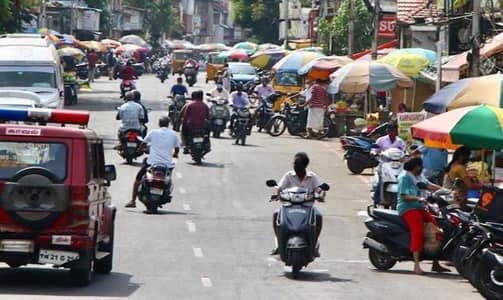
Like many old heritage roads in Chennai, South Mada Street faces several urban challenges.
These include:
- Traffic congestion
- Overcrowding
- Parking shortages
- Encroached pavements
- Infrastructure pressure
Recent reports highlighted traffic violations, wrong-side driving, and pedestrian safety concerns around South Mada Street during metro construction activity.
Residents have also raised concerns regarding drainage issues, sewage pipeline failures, and water-related problems near Mylapore roads.
Despite these challenges, South Mada Street continues to remain one of Chennai’s most culturally important heritage streets.
FAQs About South Mada Street, Chennai
Q1. Why is South Mada Street famous?
A: South Mada Street is famous for the Kapaleeswarar Temple, temple festivals, traditional markets, and Mylapore heritage culture.
Q2. Where is South Mada Street located?
A:The street is located in Mylapore surrounding the Kapaleeswarar Temple area in Chennai.
Q3. What are Mada Streets?
A:Mada Streets are the four traditional streets surrounding South Indian temples used for temple processions and community activities.
Q4. What is the Kapaleeswarar Temple famous for?
A:The temple is famous for Dravidian architecture, Shiva worship, and major religious festivals.
Q5. Why is Mylapore important in Chennai?
A:Mylapore is considered one of Chennai’s oldest cultural, religious, and historical neighborhoods.
Q6. What is sold on South Mada Street?
A:The street is known for flowers, pooja items, sarees, brass products, traditional goods, and local snacks.
Q7. What are the major problems faced by the area?
A:Traffic congestion, overcrowding, parking shortages, drainage issues, and pedestrian safety concerns are major challenges faced by the locality.