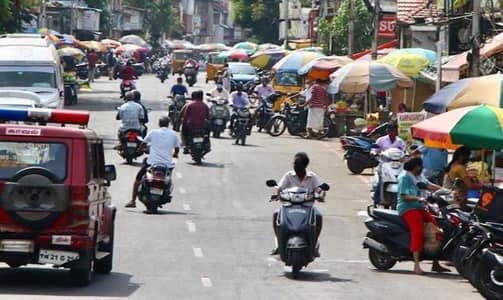
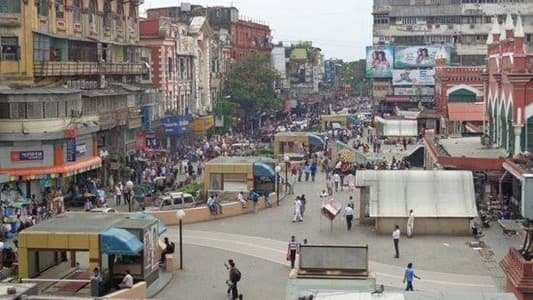
Devaraja Mudali Street is one of the historic commercial roads located in George Town and Sowcarpet, Chennai. The street is closely associated with Chennai’s old temple heritage, traditional trading culture, turmeric and kumkum markets, and colonial Madras history. Situated near NSC Bose Road, Rattan Bazaar, and Parry’s Corner, the locality forms part of the city’s oldest business district.
Over the decades, Devaraja Mudali Street became famous for religious goods, wholesale trading, temples, and crowded market activity. The locality also holds major historical importance because the famous twin temples of Chenna Kesava Perumal and Chenna Malleeswarar were rebuilt here during the 18th century.
Today, Devaraja Mudali Street remains one of the culturally significant commercial streets of old Chennai.
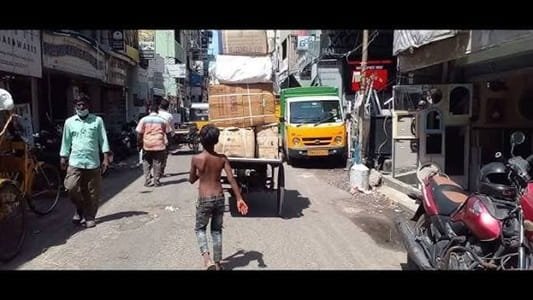
| Feature | Details |
| Location | George Town / Sowcarpet, Chennai, Tamil Nadu |
| Famous For | Temples, turmeric and kumkum markets |
| Main Identity | Historic commercial street |
| Nearby Areas | Parry’s Corner, Rattan Bazaar, Mint Street |
| Popular Among | Traders, devotees, wholesalers |
| Best Time to Visit | Morning and business hours |
| Nearby Railway Station | Chennai Beach Railway Station |
| Known For | Chenna Kesava Perumal Temple |
| Street Type | Commercial and temple street |
| Historical Importance | Connected with colonial Madras temple history |
History of Devaraja Mudali Street
The history of Devaraja Mudali Street is deeply connected with the development of colonial Madras and George Town’s trading culture.
One of the most important events connected with the street was the rebuilding of the twin temples of:
- Chenna Kesava Perumal Temple
- Chenna Malleeswarar Temple
Historical accounts state that the original temples stood near the present Madras High Court area but were demolished by the British East India Company during the 18th century for security and fort expansion purposes.
After public protests, Manali Muthukrishna Mudaliar, an influential dubash and merchant connected with the East India Company, helped rebuild the temples on Devaraja Mudali Street during the 1760s.
The locality gradually developed into an important commercial and religious zone associated with:
- Temple-centered markets
- Religious goods trading
- Turmeric and kumkum business
- Merchant communities
- Wholesale trading activity
- Traditional Chennai market culture
Over time, the street became one of the busiest commercial roads around NSC Bose Road and Rattan Bazaar.
Location and Connectivity
Devaraja Mudali Street is located in George Town near Parry’s Corner in Chennai.
The locality remains highly accessible because of strong transport and market connectivity.
By Railway Station
Nearby railway connectivity includes:
- Chennai Beach Railway Station
- Chennai Central Railway Station
- Fort Railway Station
By Metro
Nearby metro stations include:
- High Court Metro Station
- Mannadi Metro Station
- Washermanpet connectivity routes
By Road
The street is connected through:
- NSC Bose Road
- Mint Street
- Govindappa Naicken Street
- Rattan Bazaar Road
Autos, buses, taxis, and app-based cab services regularly operate around the locality.
Nearby Landmarks
Important nearby places include:
- Chenna Kesava Perumal Temple
- Chenna Malleeswarar Temple
- Parry’s Corner
- Rattan Bazaar
- Mint Street
What Is Devaraja Mudali Street Famous For?
1. Chenna Kesava Perumal Temple
The biggest reason behind the importance of Devaraja Mudali Street is the presence of the historic Chenna Kesava Perumal Temple.
The temple is considered deeply connected with the history of Chennai itself. Historical sources mention that the city name “Chennai” may have connections with the temple name “Chenna Kesava.”
2. Chenna Malleeswarar Temple
The twin Shiva temple, Chenna Malleeswarar Temple, was also rebuilt alongside the Vishnu temple on the same street.
The temples continue remaining major spiritual landmarks in old Chennai.
3. Turmeric and Kumkum Market
Devaraja Mudali Street became famous for turmeric and kumkum powder used in Hindu religious rituals.
Several families reportedly continued this business for generations.
4. George Town Commercial Culture
The street forms part of Chennai’s old wholesale trading district where different streets became known for specialized businesses.
The locality contains:
- Religious goods shops
- Wholesale stores
- Traditional merchants
- Packaging businesses
- Market warehouses
5. Historic Temple and Dubash Heritage
The street reflects the influence of dubashes — wealthy Indian intermediaries who worked with colonial trading companies and helped shape early Madras society.
Why Devaraja Mudali Street Became Important
Several reasons helped Devaraja Mudali Street become historically important.
First, George Town developed as the commercial center of colonial Madras.
Second, rebuilding the twin temples made the street spiritually significant.
Third, wholesale trade and temple-centered business activity strengthened the locality’s commercial identity.
Today, the street remains an important part of Chennai’s religious and trading heritage.
Interesting Facts About Devaraja Mudali Street
- The famous Chenna Kesava Perumal Temple was rebuilt on this street during the 18th century.
- The locality became famous for turmeric and kumkum powder markets.
- Manali Muthukrishna Mudaliar played a major role in rebuilding the temples.
- Chintadri Pillaiyar Temple on the street dates back to 1717.
- George Town streets traditionally specialized in different wholesale trades.
Challenges Faced by the Area
Like many old Chennai commercial roads, Devaraja Mudali Street faces several urban challenges.
These include:
- Traffic congestion
- Parking shortages
- Narrow roads
- Heavy pedestrian movement
- Infrastructure pressure
Rapid commercial activity and dense market operations continue creating pressure on the locality.
Despite these challenges, the street continues preserving an important part of Chennai’s historic identity.
FAQs About Devaraja Mudali Street, Chennai
Q1. Why is Devaraja Mudali Street famous?
A: Devaraja Mudali Street is famous for historic temples, turmeric and kumkum markets, and old George Town trading culture.
Q2. Where is Devaraja Mudali Street located?
A: The street is located in George Town near Parry’s Corner, Chennai.
Q3. What temples are located on Devaraja Mudali Street?
A: Chenna Kesava Perumal Temple, Chenna Malleeswarar Temple, and Chintadri Pillaiyar Temple are important temples located on the street.
Q4. Why are the twin temples important?
A: The twin temples are historically important because they were rebuilt after the British demolished the original temples near Fort St. George.
Q5. What products are famous on Devaraja Mudali Street?
A: Turmeric powder, kumkum, religious items, and wholesale market goods are famous in the locality.
Q6. Which railway station is nearest to Devaraja Mudali Street?
A: Chennai Beach Railway Station is one of the nearest railway stations.
Q7. What are the major problems faced by the area?
A: Traffic congestion, overcrowding, parking shortages, and infrastructure pressure are major challenges faced by the locality.