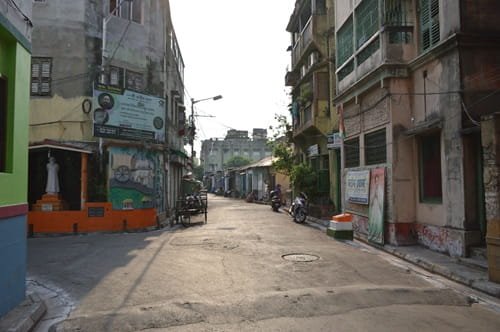
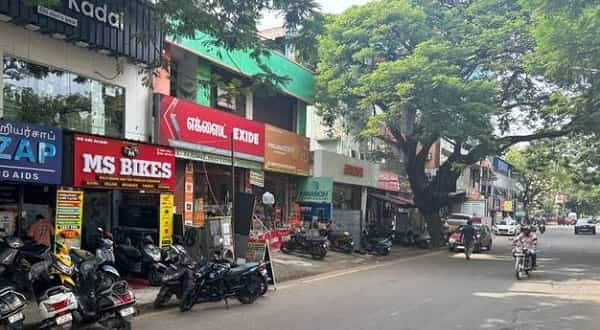
Dhandapani Street is one of the important residential and commercial streets located in the T. Nagar–CIT Nagar region of Chennai. The locality is closely associated with old planned neighborhood development, residential settlements, shopping connectivity, and urban commercial culture. Situated near Pondy Bazaar, Venkatanarayana Road, and South Boag Road, the street forms part of Chennai’s busy central urban zone.
Over the years, Dhandapani Street became known for apartment complexes, local businesses, educational institutions, clinics, and strong connectivity to the famous T. Nagar shopping district.
Today, the street remains an active part of Chennai’s residential and commercial environment.
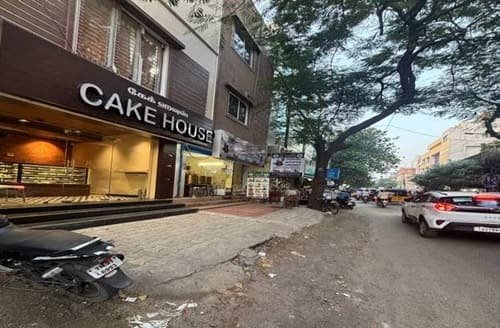
| Feature | Details |
| Location | T. Nagar–CIT Nagar, Chennai, Tamil Nadu |
| Famous For | Residential growth and shopping connectivity |
| Main Identity | Urban residential-commercial street |
| Nearby Areas | T. Nagar, CIT Nagar, Nandanam |
| Popular Among | Residents, shoppers, commuters |
| Best Time to Visit | Morning and evening hours |
| Nearby Railway Station | Mambalam Railway Station |
| Known For | T. Nagar market accessibility |
| Street Type | Residential and mixed commercial road |
| Historical Importance | Part of old T. Nagar planned expansion |
History of Dhandapani Street
The history of Dhandapani Street is closely connected with the development of T. Nagar as one of Chennai’s major planned neighborhoods.
- Nagar, officially called Thyagaraya Nagar, was developed between the 1920s and 1930s under the Madras Presidency town planning projects. The locality emerged as part of modern urban expansion initiated after the Madras Town Planning Act of 1920.
As T. Nagar rapidly developed into Chennai’s major shopping and residential district, surrounding roads such as Dhandapani Street also witnessed significant growth.
Over time, the locality became associated with:
- Residential apartment buildings
- Small commercial offices
- Educational institutions
- Healthcare facilities
- Local retail businesses
- Urban middle-class settlements
The street later developed strong importance because of its proximity to Pondy Bazaar, South Boag Road, and major transport routes across Central Chennai.
Location and Connectivity
Dhandapani Street is located in the T. Nagar–CIT Nagar region of Chennai.
The locality remains highly accessible because of strong railway, metro, and road connectivity.
By Railway Station
Nearby railway connectivity includes:
- Mambalam Railway Station
- Saidapet Railway Station
- Kodambakkam Railway Station
By Metro
Nearby metro stations include:
- Nandanam Metro Station
- Teynampet Metro Station
- AG-DMS Metro connectivity routes
By Road
The locality is connected through:
- Venkatanarayana Road
- South Boag Road
- Anna Salai connectivity routes
- Pondy Bazaar roads
Autos, buses, taxis, and app-based cab services regularly operate around the locality.
Nearby Landmarks
Important nearby places include:
- Pondy Bazaar
- T. Nagar Bus Depot
- Panagal Park
- Venkatanarayana Road
- CIT Nagar
What Is Dhandapani Street Famous For?
1. T. Nagar Residential Culture
The biggest reason behind the identity of Dhandapani Street is its residential urban atmosphere.
The locality contains:
- Apartment complexes
- Family residences
- Rental housing
- Local shops
- Daily convenience stores
2. Shopping Connectivity
The street benefits greatly from its proximity to Chennai’s famous T. Nagar shopping district.
Nearby areas became famous for:
- Textile shopping
- Jewellery stores
- Fashion showrooms
- Commercial markets
- Retail businesses
3. Planned Neighborhood Development
Dhandapani Street forms part of the larger T. Nagar planned urban layout created during British-era Madras expansion.
The locality reflects old planned Chennai development with:
- Grid-style roads
- Residential blocks
- Commercial integration
- Organized road connectivity
4. Commercial Accessibility
Several offices, clinics, educational institutions, and service businesses operate across the locality.
This commercial activity helped strengthen the area’s urban importance.
5. Strong Transport Connectivity
Its location near railway stations, bus depots, and metro routes helped maintain strong accessibility across Chennai.
Why Dhandapani Street Became Important
Several reasons helped Dhandapani Street become locally important.
First, T. Nagar emerged as one of Chennai’s largest commercial and shopping districts.
Second, residential growth increased population density across nearby localities.
Third, strong transport and market connectivity improved accessibility for residents and businesses.
Today, Dhandapani Street remains part of Chennai’s active residential and commercial network.
Interesting Facts About Dhandapani Street
- The street lies inside Chennai’s famous T. Nagar urban region.
- T. Nagar was developed as a planned neighborhood during the 1920s.
- Nearby Pondy Bazaar became one of Chennai’s biggest shopping zones.
- The locality contains both residential and commercial establishments.
- Mambalam Railway Station significantly improved accessibility across the region.
Challenges Faced by the Area
Like many busy Chennai urban roads, Dhandapani Street faces several challenges.
These include:
- Traffic congestion
- Parking shortages
- Heavy pedestrian movement
- Narrow internal roads
- Infrastructure pressure
Rapid commercial growth and increasing vehicle movement continue creating pressure across the locality.
Despite these challenges, Dhandapani Street continues functioning as an important neighborhood road within Central Chennai.
FAQs About Dhandapani Street, Chennai
Q1. Why is Dhandapani Street famous?
A: Dhandapani Street is famous for residential growth, shopping connectivity, and its location near T. Nagar commercial areas.
Q2. Where is Dhandapani Street located?
A: The street is located in the T. Nagar–CIT Nagar region of Chennai.
Q3. Which railway station is nearest to Dhandapani Street?
A: Mambalam Railway Station is one of the nearest railway stations.
Q4. What is T. Nagar famous for?
A: Nagar is famous for shopping, textile markets, jewellery stores, and commercial activity.
Q5. What type of locality is Dhandapani Street?
A: It is mainly a residential and mixed commercial urban street.
Q6. Why did the locality develop rapidly?
A: Shopping growth, residential expansion, and strong transport connectivity helped the locality develop quickly.
Q7. What are the major problems faced by the area?
A: Traffic congestion, overcrowding, parking shortages, and infrastructure pressure are major challenges faced by the locality.