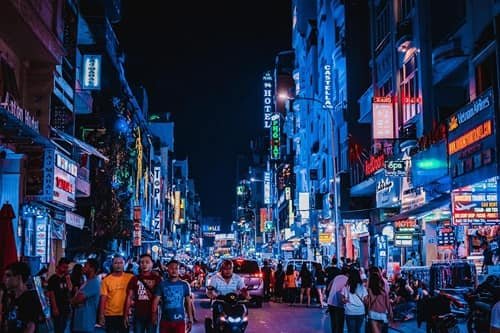
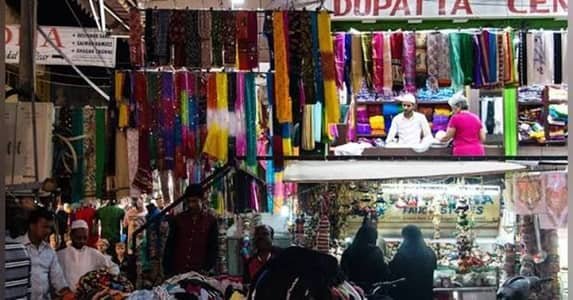
Bajanai Koil Street is a traditional residential and temple-connected street name found in several parts of Chennai and nearby Tamil Nadu regions. The name itself comes from “Bajanai Koil,” which refers to devotional bhajan temples or prayer centers associated with Tamil Hindu religious traditions.
In Chennai, streets carrying the name Bajanai Koil Street are commonly linked with old residential neighborhoods, temples, bhajan mandirams, and local community culture. Areas such as Choolaimedu, Poonamallee, and nearby suburban localities contain streets with this historic naming pattern.
These streets are generally known for peaceful residential life, temple culture, local markets, and traditional Chennai neighborhood identity.
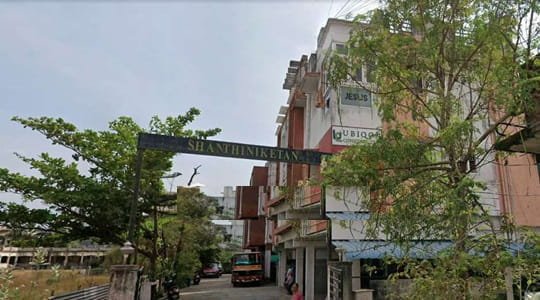
| Feature | Details |
| Location | Various parts of Chennai and nearby suburbs |
| Famous For | Temple culture and residential localities |
| Name Meaning | “Bhajan Temple Street” |
| Main Identity | Traditional Tamil neighborhood streets |
| Nearby Areas | Choolaimedu, Poonamallee, Tambaram regions |
| Known For | Bhajan temples and local community life |
| Popular Among | Residents and devotees |
| Best Time to Visit | Festival and evening prayer hours |
| Street Type | Residential and cultural street |
| Cultural Importance | Linked with devotional traditions |
History of Bajanai Koil Street
The history of streets named Bajanai Koil Street is connected with Tamil devotional traditions and old Chennai settlement culture.
The word “Bajanai” comes from “bhajan,” meaning devotional singing or prayer gatherings, while “Koil” means temple in Tamil. Traditionally, many Tamil neighborhoods had small bhajan mandirams where devotees gathered for devotional songs, spiritual meetings, and religious festivals.
Over time, the roads surrounding these temples naturally became known as Bajanai Koil Street.
During the colonial and early modern Madras period, several residential localities developed around temples and community worship spaces. Streets were often named after nearby religious landmarks rather than political leaders or commercial activities.
Areas like Choolaimedu and old suburban Chennai still preserve these naming traditions today.
The bhajan culture itself played an important role in Carnatic devotional music and local Hindu religious life across Tamil Nadu. Historical Chennai neighborhoods such as Mint Street were once known for bhajan mandirams and devotional centers connected with music traditions.
Location and Connectivity
Bajanai Koil Street localities are found across different parts of Chennai and nearby suburban regions.
Some known areas include:
- Choolaimedu
- Poonamallee region
- Tambaram side localities
- Residential suburban neighborhoods
By Railway Station
Depending on the locality, nearby railway stations may include:
- Nungambakkam Railway Station
- Kodambakkam Railway Station
- Chennai Beach Station
- Tambaram Station
By Metro
For central Chennai localities, Chennai Metro connectivity is available through nearby stations depending on the neighborhood.
By Road
Autos, buses, and taxis regularly connect these areas with major Chennai roads and residential zones.
What Is Bajanai Koil Street Famous For?
1. Temple and Bhajan Culture
The biggest identity of Bajanai Koil Street comes from devotional temple culture.
Bhajan temples traditionally hosted:
- Devotional singing
- Religious gatherings
- Festival prayers
- Carnatic spiritual traditions
These community spaces became culturally important in Tamil neighborhoods.
2. Traditional Chennai Neighborhoods
Many Bajanai Koil Streets are located inside old residential communities with narrow lanes, temples, local shops, and traditional houses.
These areas still preserve the atmosphere of old Chennai locality culture.
3. Religious Importance
Several Bajanai Koil areas remain associated with local Hindu temples and devotional centers.
Temple festivals and evening prayers continue attracting nearby residents regularly.
4. Residential Community Life
Most Bajanai Koil Streets are primarily residential zones.
Families living in these localities often share close neighborhood connections and community-based traditions.
5. Cultural Naming Heritage
The name itself reflects how Chennai streets were historically connected with temples, communities, and devotional institutions rather than only commercial or political landmarks.
Best Time to Visit Bajanai Koil Street
The best time to experience Bajanai Koil Street areas is during evenings and festival periods.
Temple prayer timings, devotional singing sessions, and local celebrations create a more lively atmosphere during religious occasions.
Morning and evening hours are generally more active than afternoon periods.
Interesting Facts About Bajanai Koil Street
- “Bajanai Koil” means devotional prayer temple in Tamil.
- Several Chennai neighborhoods still contain streets with this traditional name.
- These streets are usually connected with old Hindu devotional traditions.
- Bhajan mandirams historically played a role in Carnatic spiritual culture.
- The street naming style reflects traditional Tamil settlement patterns.
Challenges Faced by the Area
Like many old Chennai residential streets, some Bajanai Koil Street localities face urban challenges such as:
- Traffic congestion
- Waterlogging
- Drainage issues
- Narrow roads
- Infrastructure pressure
Recent reports from suburban areas linked with Bajanai Koil Street mentioned flooding and sewage problems affecting residents during heavy rain seasons.
Rapid urban growth around old residential neighborhoods also creates pressure on roads and civic infrastructure.
Still, these areas continue preserving important parts of Chennai’s traditional community culture.
FAQs About Bajanai Koil Street, Chennai
Q1. What does Bajanai Koil mean?
“Bajanai Koil” means devotional prayer temple or bhajan temple in Tamil.
Q2. Why is Bajanai Koil Street famous?
Bajanai Koil Streets are famous for temple culture, devotional traditions, and traditional residential neighborhood identity.
Q3. Where is Bajanai Koil Street located?
Different streets with this name are located across Chennai and nearby suburban areas such as Choolaimedu and Poonamallee.
Q4. Why are many Chennai streets named after temples?
Traditional Chennai neighborhoods were often built around temples and religious centers, so streets were commonly named after local temples.
Q5. Are Bajanai Koil Streets commercial areas?
Most Bajanai Koil Streets are mainly residential localities with nearby temples and small local businesses.
Q6. What is the cultural importance of bhajan temples?
Bhajan temples traditionally hosted devotional singing, prayer gatherings, and spiritual music activities in Tamil communities.
Q7. What problems do some Bajanai Koil Street areas face?
Some areas face traffic congestion, drainage problems, flooding, and infrastructure pressure during heavy rains.