Yes, a seed bank business is legal in India, provided it complies with the applicable laws governing seeds, plant varieties, quality standards, business registration and agricultural regulations. Businesses involved in producing, storing, processing or selling seeds must also comply with the relevant licensing and certification requirements.
A seed bank collects, preserves, stores and supplies seeds for agricultural, horticultural, research or conservation purposes. Some seed banks focus on commercial seed sales, while others preserve indigenous or rare plant varieties. Because seeds directly affect agricultural productivity and food security, the industry is regulated to ensure quality, traceability and farmer protection.
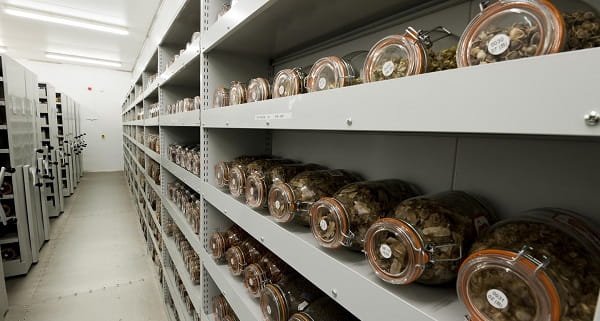
Legal Status of Seed Bank Businesses in India
Running a seed bank business is legal in India. However, the legal requirements depend on the activities carried out by the business.
Commercial seed production and sale are primarily regulated under the Seeds Act, 1966, the Seeds Rules, 1968, and other applicable agricultural laws. Certain plant varieties are also protected under the Protection of Plant Varieties and Farmers’ Rights Act, 2001 (PPVFR Act).
Businesses should ensure that the seeds they store or sell comply with the applicable quality standards and legal requirements.
Business Registration
A seed bank may operate as a sole proprietorship, partnership, LLP, producer company or private limited company.
Depending on the business structure and location, common registrations may include:
- PAN and a business bank account
- Shops and Establishments registration
- GST registration when applicable
- Udyam registration for eligible MSMEs
- Municipal trade licence where required
- Professional tax registration in applicable states
These registrations do not replace any licence or registration required under seed-related laws.
Seed Licensing and Certification
A business engaged in the commercial sale or distribution of seeds may require registration or a licence under the applicable state seed control regulations.
Depending on the nature of the business, compliance may include:
- Seed dealer licence where applicable
- Registration with the competent agricultural authority
- Compliance with seed certification requirements
- Proper labelling and packaging
- Maintenance of stock and sale records
- Quality testing where required
Businesses should verify the specific requirements applicable in the state where they operate.
Storage and Quality Standards
Seeds should be stored under suitable conditions to maintain their quality and germination capacity.
Proper storage practices include:
- Moisture-controlled storage
- Pest and rodent control
- Clean storage facilities
- Batch identification
- Stock rotation
- Temperature management where necessary
- Proper inventory records
Supplying deteriorated or contaminated seeds may expose the business to legal claims and regulatory action.
Labelling and Consumer Protection
Seed containers should carry the information required under the applicable laws.
Depending on the type of seed, labels may include:
- Variety name
- Lot or batch number
- Germination percentage
- Purity information
- Date of testing
- Net quantity
- Producer or dealer details
Businesses should not misrepresent hybrid, certified or genetically modified seeds. False claims regarding yield, disease resistance or quality may amount to unfair trade practices.
GST and Tax Compliance
Seed businesses should determine whether GST applies to their products based on the applicable tax provisions and exemptions.
The business should also:
- Maintain proper books of account
- Issue invoices where required
- File income-tax returns
- Maintain purchase and sales records
- Comply with applicable TDS provisions
Professional tax advice may be appropriate where the business deals in multiple agricultural products.
When Can a Seed Bank Business Become Illegal?
A seed bank business may face legal action when it:
- Sells seeds without the required licence where one is mandatory.
- Mislabels or falsely certifies seed varieties.
- Supplies substandard or contaminated seeds.
- Violates applicable plant variety protection rights.
- Sells prohibited or unauthorised seeds.
- Fails to maintain mandatory records.
- Makes false claims regarding crop yield or performance.
- Evades GST or income-tax obligations.
Authorities may suspend licences, seize stock, impose penalties or initiate prosecution depending on the nature of the violation.
Frequently Asked Questions
Q1. Can a seed bank sell seeds directly to farmers?
A: Yes, provided the business complies with the applicable licensing, labelling and quality requirements under the relevant seed laws.
Q2. Is seed certification compulsory for every type of seed?
A: Not necessarily. The requirement depends on the category of seed and the applicable legal provisions. However, mandatory quality and labelling requirements must still be followed wherever applicable.
Q3. Can a seed bank preserve indigenous or traditional seed varieties?
A: Yes. Many seed banks legally preserve indigenous and traditional varieties for conservation, research or agricultural purposes, subject to applicable laws relating to plant variety protection and biodiversity.
Q4. Can a seed bank import seeds from another country?
A: Yes, but imported seeds must comply with India’s import, quarantine and plant health regulations. Importers should obtain the necessary approvals before bringing seeds into the country.
Bottom Line
A seed bank business is legal in India, but it operates within a regulated agricultural framework. Businesses should complete the necessary registrations, obtain any required seed licences, maintain proper storage conditions, comply with labelling and quality standards, and respect plant variety protection laws. Careful compliance with these legal requirements helps ensure that farmers receive quality seeds while supporting India’s agricultural and biodiversity objectives.