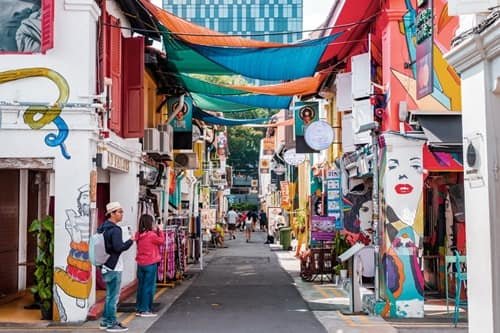
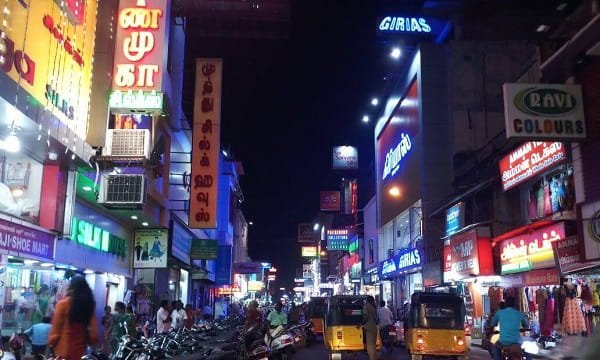
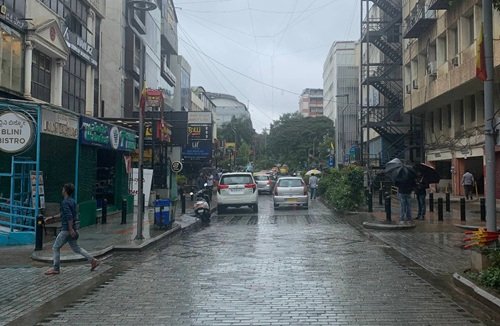
Seven Wells Street is one of the historic roads located in the Seven Wells neighborhood of George Town, Chennai. The locality is closely associated with Chennai’s first organized drinking water system, colonial Madras history, old trading culture, and dense commercial activity. Situated near Mint Street, Old Jail Road, and Sowcarpet, the area forms part of North Chennai’s oldest urban settlement.
The neighborhood received its name from seven important wells dug during the British period to supply clean drinking water to Fort St. George. Even today, Seven Wells Street remains historically important because it reflects the origins of Chennai’s early public water infrastructure.
| Feature | Details |
| Location | Seven Wells, George Town, Chennai, Tamil Nadu |
| Famous For | Historic water supply system and old market culture |
| Main Identity | Historic residential and commercial street |
| Nearby Areas | Mint Street, Sowcarpet, Mannadi |
| Popular Among | Traders, residents, historians |
| Best Time to Visit | Morning and business hours |
| Nearby Railway Station | Basin Bridge Railway Station |
| Known For | Chennai’s first organized water supply |
| Street Type | Historic commercial road |
| Historical Importance | Linked with British-era Seven Wells Scheme |
History of Seven Wells Street
The history of Seven Wells Street is deeply connected with the early development of Madras during British rule.
During the 18th century, Fort St. George faced a serious drinking water problem because groundwater near the coast was salty. To solve this issue, British officials planned a water supply project north of the fort near Peddanaickenpet, the old name of the locality.
Historical sources mention that Captain George Baker proposed the idea in 1772 after Hyder Ali’s raids created concern over water security.
Initially, around ten wells were dug in the locality, but only seven produced good-quality freshwater consistently. Because of this, the area eventually became known as “Seven Wells” or “Ezhu Kinaru” in Tamil.
The Seven Wells Scheme later became the first organized drinking water supply system of Madras. Water from the wells was pumped and supplied to:
- Fort St. George
- Military establishments
- Colonial government buildings
- Nearby settlements
Over time, the surrounding locality developed into a dense urban settlement associated with:
- Merchant communities
- Warehouses
- Residential colonies
- Small markets
- Religious institutions
- Traditional trading culture
Even today, the area preserves much of old North Chennai’s atmosphere.
Location and Connectivity
Seven Wells Street is located in the Seven Wells neighborhood near George Town and Mint Street in Chennai.
The locality remains highly accessible because of strong transport connectivity.
By Railway Station
Nearby railway connectivity includes:
- Basin Bridge Railway Station
- Chennai Beach Railway Station
- Chennai Central Railway Station
By Metro
Nearby metro stations include:
- Mannadi Metro Station
- High Court Metro Station
- Washermanpet Metro Station
By Road
The locality is connected through:
- Mint Street
- Old Jail Road
- Wall Tax Road
- NSC Bose Road
Autos, buses, taxis, and goods vehicles regularly operate around the locality.
Nearby Landmarks
Important nearby places include:
- Mint Street
- Old Jail Road
- Sowcarpet
- Vallalar House
- Stanley Medical College area
What Is Seven Wells Street Famous For?
1. Chennai’s First Organized Water Supply
The biggest reason behind the fame of Seven Wells Street is the Seven Wells water system.
Historical accounts describe it as the first organized public water supply scheme in Madras.
The wells reportedly supplied nearly 140,000 gallons of water daily to Fort St. George during the colonial period.
2. George Town Commercial Culture
Seven Wells Street forms part of Chennai’s old George Town trading district.
The surrounding locality became famous for:
- Wholesale businesses
- Grocery trade
- Textile-linked commerce
- Merchant settlements
- Traditional Chennai markets
3. Vallalar Connection
The area also holds spiritual importance because Tamil saint Ramalinga Adigal, popularly known as Vallalar, lived in Veerasamy Pillai Street within the Seven Wells locality for many years.
4. Colonial Madras Heritage
The locality reflects old Madras urban culture with:
- Narrow market roads
- Historic settlements
- Dense commercial buildings
- Traditional residential clusters
This atmosphere remains one of the defining characteristics of the area.
5. Mint Street Connectivity
The area benefits from proximity to Mint Street, one of Chennai’s oldest and busiest commercial roads.
Why Seven Wells Street Became Important
Several reasons helped Seven Wells Street become historically important.
First, the Seven Wells Scheme solved the drinking water crisis of early Madras.
Second, George Town developed into the city’s primary commercial district during British rule.
Third, merchant communities and transport connectivity encouraged rapid settlement growth throughout the locality.
Today, Seven Wells Street remains an important part of Chennai’s urban history.
Interesting Facts About Seven Wells Street
- The locality got its name because seven wells produced usable freshwater.
- The Seven Wells Scheme began in 1772.
- The area was earlier called Peddanaickenpet.
- Only two of the original wells reportedly remain in use today.
- Vallalar lived in the Seven Wells locality for nearly 25 years.
Challenges Faced by the Area
Like many old Chennai neighborhoods, Seven Wells Street faces several urban challenges.
These include:
- Traffic congestion
- Narrow roads
- Parking shortages
- Aging infrastructure
- Heavy commercial movement
Rapid urbanization and market pressure continue affecting the locality.
Despite these challenges, Seven Wells Street continues preserving an important part of Chennai’s colonial and civic history.
FAQs About Seven Wells Street, Chennai
Q1. Why is Seven Wells Street famous?
A: Seven Wells Street is famous for Chennai’s first organized drinking water supply system and old George Town commercial culture.
Q2. Where is Seven Wells Street located?
A: The street is located in the Seven Wells neighborhood of George Town, Chennai.
Q3. Why is the locality called Seven Wells?
A: The locality received its name because seven wells produced clean freshwater for the British-era water supply project.
Q4. When did the Seven Wells Scheme start?
A: The Seven Wells Scheme started around 1772 during British rule in Madras.
Q5. Which railway station is nearest to Seven Wells Street?
A: Basin Bridge Railway Station is one of the nearest railway stations.
Q6. What is Mint Street famous for?
A: Mint Street is famous for wholesale trade, street food, traditional markets, and old Chennai commercial culture.
Q7. What are the major problems faced by the area?
A: Traffic congestion, overcrowding, parking shortages, and infrastructure pressure are major challenges faced by the locality.