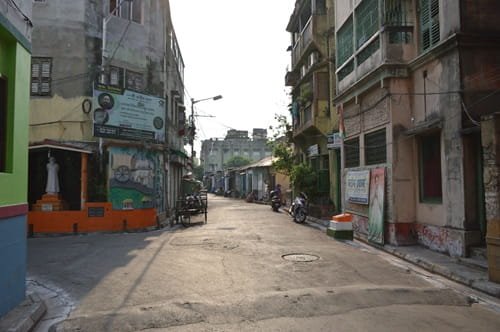
Few streets in India carry the kind of spiritual weight, culinary richness, and historical depth that Zakaria Street does. Tucked inside the old Muslim quarter of central Kolkata, this narrow, bustling lane has been the cultural and religious heart of the city’s Muslim community for well over two centuries. Home to the iconic Nakhoda Mosque, scores of traditional food stalls, attar shops, and Islamic bookstores, Zakaria Street offers an experience that is deeply layered, intensely atmospheric, and unlike almost anything else in the country.
For residents of Kolkata, it is a place of prayer, community, and some of the finest street food in the city. For visitors from outside, it is one of those rare streets that feels like a complete world unto itself. Whether someone arrives during Ramadan to experience its legendary iftar spread, or on any ordinary evening simply to eat, shop, and absorb the atmosphere, Zakaria Street never fails to leave a lasting impression.
| Feature | Details |
| Location | Central Kolkata, West Bengal |
| Nearby Area | MG Road, Rabindra Sarani, Shyambazar |
| Length | Approximately 1 km |
| Famous For | Nakhoda Mosque, Ramadan food market, Mughlai cuisine, attar, Islamic heritage |
| Historical Period | Over 200 years of continuous cultural and commercial activity |
| Best Time to Visit | Ramadan evenings, Eid, and Friday afternoons |
| Nearest Landmark | Nakhoda Mosque and MG Road |
| Popular Crowd | Local Muslim community, food lovers, tourists, pilgrims |
| Main Attractions | Nakhoda Mosque, street food stalls, attar shops, bakeries, Islamic bookstores |
| Street Type | Dense heritage bazaar with strong religious and culinary identity |
History of Zakaria Street
The history of Zakaria Street is inseparable from the broader history of Muslim settlement in Kolkata. As the city grew under British administration through the eighteenth and nineteenth centuries, a substantial Muslim trading and artisan community established itself in the central parts of the city. The area around what is now Zakaria Street became one of the primary residential and commercial zones for this community.
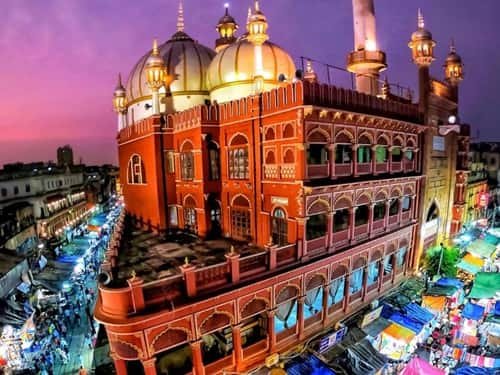
The street takes its name from a prominent local Muslim figure from the colonial era, and over generations it developed into the spiritual and commercial nucleus of Kolkata’s Muslim quarter. The single most important event in the street’s history was the construction of the Nakhoda Mosque, which was built in 1926 by the Kutchi Memon community, a group of Muslim traders who had migrated to Kolkata from the Kutch region of Gujarat. Modelled after the architectural style of the Mughal Emperor Akbar’s tomb in Agra, the mosque is one of the largest in eastern India and gave Zakaria Street a religious significance that has only deepened with time.
Through the colonial period and into the decades after independence, the street functioned as a trading hub for goods associated with Islamic religious and cultural life. Attar or traditional perfume, prayer caps, beads, Islamic texts, Urdu literature, and ceremonial goods were sold alongside food, clothing, and everyday merchandise.
Over time, the food culture of Zakaria Street grew to become as celebrated as its religious identity. The Mughlai culinary tradition, with its rich use of spices, slow-cooked meats, and bread varieties rooted in the kitchens of the Mughal nobility, found a natural home here. Today, the street is considered one of the finest destinations for Mughlai and Awadhi-influenced street food in all of India, drawing visitors from across Kolkata and far beyond.
Location and Connectivity
Zakaria Street is located in the central part of Kolkata, running off Rabindra Sarani, which is one of the main arterial roads of the city. The street is situated in the Burrabazar and Shyambazar adjacent zone, placing it within easy reach of the city’s commercial core.
By Metro
The nearest metro station is MG Road on the Kolkata Metro Blue Line. From the station, Zakaria Street is accessible by a short walk or a quick auto-rickshaw ride, making it one of the more conveniently connected heritage streets in the city.
By Bus
Numerous city bus routes run along Rabindra Sarani and the surrounding roads. Visitors from most parts of Kolkata can reach the area using public buses without needing to change routes.
By Cab or Auto
App-based cabs and yellow taxis are available throughout the day. Auto-rickshaws and cycle rickshaws are the preferred mode for navigating the narrower lanes around the street.
Nearby Landmarks
Some popular nearby places include:
- Nakhoda Mosque
- Rabindra Sarani
- MG Road Metro Station
- Burrabazar commercial district
- Shyambazar five-point crossing
The central location of Zakaria Street makes it easy to combine with visits to other heritage destinations in north and central Kolkata.
What Is Zakaria Street Famous For?
1. Nakhoda Mosque
The undisputed centrepiece of Zakaria Street is the Nakhoda Mosque, one of the most architecturally magnificent religious structures in eastern India. Built in 1926 and inspired by Mughal architecture, the mosque can accommodate thousands of worshippers at a time. Its grand facade, red sandstone detailing, and prominent minarets make it a visually striking landmark that draws both pilgrims and architecture enthusiasts. On Fridays and during Eid prayers, the congregation spills out of the mosque and onto the street in a spectacle that is deeply moving.
2. Ramadan Food Market
Zakaria Street is most famous across India for its Ramadan evening food market. Every night during the holy month, the street transforms into an extraordinary open-air feast. Dozens of stalls set up along both sides of the lane, selling biryani, haleem, sheermal, roomali roti, nihari, phirni, and countless varieties of kebabs and sweets. The energy, aroma, and sheer variety of food available during Ramadan on Zakaria Street is considered a culinary experience without parallel in Kolkata.
3. Mughlai Cuisine
Beyond Ramadan, Zakaria Street is a year-round destination for lovers of Mughlai food. Restaurants and street stalls serve mutton biryani, rezala, kathi rolls, seekh kebabs, and slow-cooked curries that reflect the rich gastronomic heritage of the Mughal kitchen. Many of these establishments have been cooking the same recipes for two or three generations, and their food has developed loyal followings that extend well beyond the local Muslim community.
4. Attar and Perfume Shops
One of the most distinctive sensory experiences on Zakaria Street is the fragrance of traditional attar drifting from the many perfume shops along the lane. These shops sell natural oil-based perfumes in small glass bottles, including rose, jasmine, oud, and musk varieties. Attar shopping on Zakaria Street is considered an art in itself, with knowledgeable shopkeepers guiding visitors through dozens of fragrances before helping them find the right blend.
5. Islamic Books and Religious Goods
Shops selling Urdu literature, Islamic texts, prayer mats, taqiyah caps, tasbih beads, and other religious items are found throughout the street. These establishments cater to the daily religious needs of the local community while also drawing visitors looking for authentic Islamic cultural goods. The Urdu bookshops in particular preserve a literary tradition that is becoming increasingly rare in Indian cities.
6. Traditional Bakeries and Sweets
Zakaria Street and its surrounding lanes have a long tradition of bakeries producing sheermal, bagara, maska bun, and various milk-based sweets. These bakeries, many of which open before dawn to serve the pre-sunrise sehri meal during Ramadan, use traditional wood-fired or coal ovens that give their bread a flavour and texture that modern ovens cannot replicate.
Best Time to Visit Zakaria Street
The single best time to visit Zakaria Street is during Ramadan, particularly in the hour before and after sunset when the iftar food market is at its most spectacular. The transformation of the street during this period, from a busy but ordinary bazaar into a luminous, fragrant, densely packed open-air food festival, is one of the most remarkable urban experiences in India.
Outside of Ramadan, Friday afternoons are an excellent time to visit, when the congregation gathering at Nakhoda Mosque gives the street a particularly charged atmosphere. Eid mornings are equally memorable, with the mosque overflowing and the street alive with celebration, new clothes, and food.
For those who prefer a less crowded experience, weekday mornings offer a quieter look at the street’s everyday commercial and community life.
Interesting Facts About Zakaria Street
- Nakhoda Mosque was built in 1926 by the Kutchi Memon community and is among the largest mosques in eastern India, capable of holding over ten thousand worshippers during major prayers.
- The street’s Ramadan food market has been featured in numerous national and international travel publications as one of India’s most unmissable street food experiences.
- Attar shops on Zakaria Street stock natural perfume blends that have been formulated and refined over multiple generations by the same families.
- The Mughlai food tradition on Zakaria Street is directly descended from the culinary culture brought to eastern India by Nawabi and Mughal-era cooks, giving the food here an authenticity that is difficult to find elsewhere.
- During Eid, Zakaria Street sees some of the largest public celebrations in Kolkata, with the surrounding roads requiring traffic management due to the scale of the congregation.
Challenges Faced by the Area
Like many historic urban streets in Indian cities, Zakaria Street faces a set of persistent infrastructure and civic challenges. The lanes are extremely narrow, and the volume of pedestrian and vehicle traffic, particularly during Ramadan and on Fridays, creates serious congestion that can be difficult to navigate safely.
Waste management is a significant concern given the density of food vendors and the enormous footfall during peak periods. Garbage accumulation around food stalls after peak hours has been an ongoing issue that local authorities periodically address without achieving lasting improvement.
The aging built environment of the surrounding area, including old buildings and inadequate drainage, presents challenges for modernisation. Balancing heritage preservation with the practical needs of a living, functioning community is a tension that the neighbourhood navigates continuously.
FAQs About Zakaria Street, Kolkata
Q1. Why is Zakaria Street famous?
Zakaria Street is famous for the Nakhoda Mosque, its extraordinary Ramadan food market, Mughlai street food, attar shops, and its status as the cultural and religious heart of Kolkata’s Muslim community.
Q2. When is the best time to visit Zakaria Street?
Ramadan evenings are the most celebrated time to visit, followed by Eid mornings and Friday afternoons when the mosque congregation gives the street a particularly vibrant character.
Q3. What food should I try on Zakaria Street?
Biryani, haleem, nihari, rezala, sheermal, roomali roti, seekh kebabs, and phirni are among the most celebrated dishes available on and around the street.
Q4. Is Zakaria Street accessible by metro?
Yes, MG Road Metro Station on the Blue Line is the nearest metro stop, from where the street is reachable by a short walk or auto-rickshaw ride.
Q5. What is the Nakhoda Mosque?
Nakhoda Mosque is a grand Mughal-inspired mosque built in 1926 by the Kutchi Memon community. It is one of the largest mosques in eastern India and the central landmark of Zakaria Street.
Q6. Is Zakaria Street open throughout the year?
Yes, the street operates throughout the year. However, it reaches its peak energy during Ramadan, Eid, and on Fridays.
Q7. Is Zakaria Street safe for tourists?
Yes, Zakaria Street is welcoming to visitors of all backgrounds and is considered safe for tourists. It is advisable to dress modestly given the religious nature of the area and to be respectful of prayer times.